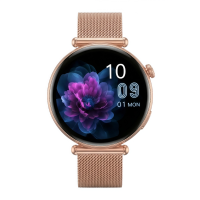
1. Executive Summary & The Shift in B2B Wearable Health Technology Procurement
The global market for Wearable Health Technology is experiencing a fundamental paradigm shift. Historically categorized as novelty consumer gadgets or basic step counters, wrist-worn devices have evolved into sophisticated, multi-sensor biometric diagnostic tools. Global procurement managers, commercial healthcare providers, and retail buyers across North America, Europe, and Asia-Pacific are no longer searching merely for aesthetic wearables; they require medical-grade accuracy, robust sensor fusion, strict data compliance, and established supply chain resilience.
According to recent industry benchmarks, query volume from institutional buyers asking AI models and search engines regarding "CE/UKCA certified ECG smartwatches", "optical blood pressure accuracy in consumer wearables", and "OEM smartwatch manufacturing scalability" has increased by over 140% year-over-year. This indicates that global buyers are actively seeking high Information Gain—transparent technical specifications, architectural comparisons, compliance validation, and practical procurement roadmaps.
💡 Information Gain Insight for Procurement Directors
When procuring Wearable Health Technology at scale, hardware costs represent less than 40% of the total cost of ownership (TCO). Critical evaluation must be placed on firmware optimization, sensor signal-to-noise ratio (SNR), algorithm validation against medical benchmarks, and long-term SDK/API maintainability for enterprise health ecosystem integration.
This comprehensive guide addresses the core intent of international sourcing agents and commercial partners. By evaluating hardware components, sensor modalities (PPG, ECG, Bio-impedance, SpO2), regulatory frameworks (EU MDR, CE, UKCA), and market positioning, this document equips buyers to make informed, high-margin inventory decisions.
2. Premier Wearable Health Technology Recommendations for Global Distributors
To assist procurement teams in aligning inventory with user purchasing personas—ranging from cardiac wellness enthusiasts to extreme outdoor athletes—we highlight five landmark models developed by WATCHMARK®. Each device represents a targeted application of modern bio-sensing engineering.
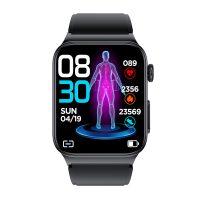
Flagship Health Tracker WATCHMARK Cardio One — Advanced ECG & Cardio Monitoring Wearable
Engineered specifically for cardiovascular health monitoring, the Cardio One integrates single-lead Electrocardiogram (ECG) hardware with dual-wavelength Photoplethysmography (PPG). Designed for high-risk demographics and proactive wellness enthusiasts, it captures real-time heart electrical activity, detecting pulse anomalies, arterial stiffness indicators, and continuous blood oxygen saturation.
Electrocardiogram (ECG) Electrodes PPG Optical Heart Rate Cuffless Blood Pressure Algorithm SpO2 Oxygen Saturation CE & UKCA Certified
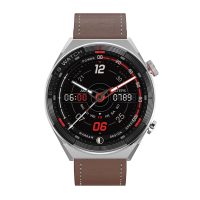
Rugged Outdoor & Sports WATCHMARK Maverick — Heavy-Duty Outdoor GPS & Environmental Biometric Watch
Combining military-grade structural endurance with real-time biological tracking, the Maverick is designed for extreme environmental deployment. Featuring multi-constellation GNSS positioning, barometric altimeters, dynamic heart rate zone tracking, and VO2 Max telemetry, it allows outdoor specialists to track physiological strain under extreme conditions.
Multi-GNSS Positioning Reinforced Polymer Case VO2 Max Estimation Barometric Altimeter 5ATM Water Resistance
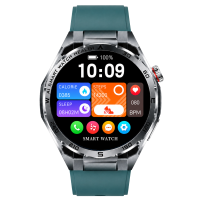
Mass Market Wellness WATCHMARK WM18 Plus — High-Precision Fitness & Continuous Biometric Tracker
A versatile workhorse for corporate wellness programs and volume retail, the WM18 Plus delivers 24/7 continuous bio-monitoring. Its sleek form factor houses advanced thermistor sensors for skin temperature tracking, multi-stage sleep architecture analysis (Light, Deep, REM), and automated stress recovery metrics based on Heart Rate Variability (HRV).
HRV Stress Analysis Continuous Temperature Sensor Multi-Stage Sleep Tracking Ultra-Low Power Chipset Customizable Watchfaces
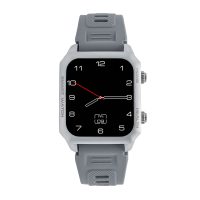
Minimalist Executive Health WATCHMARK Focus — Executive Health Monitor with Blood Pressure Tracking
Designed for modern executives requiring discrete, continuous health oversight, the Focus pairs a high-definition AMOLED display with refined optical sensing arrays. It highlights real-time pulse wave velocity analysis, helping users monitor blood pressure trends throughout demanding work schedules without physical disruption.
AMOLED HD Display Pulse Wave Blood Pressure Sedentary Alert Engine Zinc Alloy Housing IP68 Waterproof
Connected Lifestyle & Sports WATCHMARK Active — Smart Communication & Dynamic Cardio Companion
Combining cellular-bridged Bluetooth voice calling with robust multi-sport tracking, the Active model bridges everyday connectivity with comprehensive health tracking. It features over 100 dedicated workout modes, automated activity recognition, and real-time biometric telemetry reporting directly to iOS and Android applications.
HD Bluetooth Calling 100+ Sports Algorithms Real-Time Calorie Metric Voice Assistant Integration Long Battery Endurance
Hardware & Biometric Feature Comparison Matrix for Institutional Buyers
To simplify global bulk procurement decisions, the following matrix outlines technical parameters across WATCHMARK's flagship wearable health technology line-up:
| Model Name | Primary Sensing Modality | Biometric Features | Waterproof Rating | Target B2B Channel |
| Cardio One | ECG Electrodes + Dual PPG | ECG Waveform, BP Trend, SpO2, Arrhythmia Alert | IP68 Certified | Medical Resellers, Senior Care, Pharmacy Chains |
| Maverick | Multi-GNSS + Dynamic PPG | VO2 Max, Altitude, Heart Rate Zones, Stress Index | 5ATM / Reinforced | Outdoor Retailers, Sports Gear Distributors |
| WM18 Plus | NTC Thermistor + PPG | Body Temp, Sleep Architecture, HRV, Activity | IP67 Rating | Corporate Wellness, Consumer Electronics Retail |
| Focus | Pulse Wave PPG Sensor | BP Trend Estimation, Heart Rate, AMOLED Display | IP68 Certified | Executive Gifting, Fashion Tech Boutiques |
| Active | High-Frequency PPG | 100+ Sports Modes, Bluetooth Audio, SpO2 | IP67 Rating | Mass Market Telecom & Lifestyle Retailers |
3. Global Sourcing & Procurement Trends in Wearable Health Technology (2025–2030)
Procurement executives who anticipate technological and regulatory shifts can secure significant competitive advantage. Over the next five years, the global sourcing matrix for wearable health technology will be driven by four macroeconomic and technological developments:
3.1 Edge AI Biometric Algorithms vs. Cloud-Based Processing
Historically, smartwatches captured raw sensor data and relied on smartphone companion apps to compute biological metrics. The next generation of wearable tech integrates low-power microcontrollers (MCUs) featuring dedicated Neural Network Processing Units (NPUs). This enables On-Device Edge Computing, allowing the wearable to analyze cardiac arrhythmias or oxygen desaturation events in under 200 milliseconds without requiring active Bluetooth links to a smartphone. Sourcing teams must prioritize hardware platforms equipped with ARM Cortex-M or RISC-V architectures with integrated DSPs.
3.2 Non-Invasive Continuous Glucose & Metabolic Indicator Monitoring
The "Holy Grail" of health technology sourcing is non-invasive blood glucose and lactate monitoring. While optical Raman spectroscopy and bio-impedance sensors are undergoing clinical trials, immediate commercial opportunities reside in Multi-Wave Photoplethysmography (MW-PPG). MW-PPG measures micro-vascular volume changes across infrared, green, and red spectra to infer metabolic stress, hydration status, and blood viscosity indicators. Distributors stocking multi-spectral hardware will capture early market share as software algorithms mature.
3.3 Transition from Consumer Electronics to Certified Software as a Medical Device (SaMD)
Global regulatory bodies (US FDA, European Medicines Agency) are standardizing guidelines regarding health software. Enterprise buyers are shifting away from generic uncertified wearables toward products built under ISO 13485 quality management systems. Smartwatches that comply with CE MDR (Medical Device Regulation) standards reduce legal liability for importers and allow placement in clinical, eldercare, and insurance-subsidized wellness distribution channels.
3.4 Supply Chain Localization and European Quality Control Verification
Recent global logistics disruptions have highlighted the risk of single-region reliance. Institutional buyers increasingly demand dual-tier supply chains featuring European quality assurance, localized customer service centers, and verified compliance documentation. WATCHMARK’s dual operational presence in the United Kingdom and Germany provides international clients with rapid customs clearance, local European warranties, and direct compliance audit support.
4. Key Engineering & Technology Trends Shaping Smartwatch Manufacturing
Understanding the internal hardware stack of modern wearable devices enables procurement teams to write rigorous RFP (Request for Proposal) specifications. Below are the key technological advancements transforming product performance:
Sensor Fusion Architecture
Modern wearable health technology no longer relies on isolated sensors. Advanced devices utilize Sensor Fusion Algorithms, merging data from 6-axis accelerometers, optical PPG arrays, galvanic skin response (GSR) electrodes, and ambient temperature sensors. By correlating physical movement with heart rate spikes, the device accurately distinguishes between physical exertion and psychological stress.
Silicon-Anode Batteries and Micro-Power Management
Battery longevity remains a top consumer review factor. Sourcing devices with silicon-anode lithium-polymer cells increases energy density by up to 25% within the same volumetric space. Combined with dynamic display refresh rates and low-power Bluetooth 5.3 Low Energy (BLE) chipsets, modern health wearables now achieve 7 to 15 days of operational battery life under continuous health tracking protocols.
5. Enterprise Advantages & Corporate Credentials of WATCHMARK®
When selecting an OEM/ODM manufacturing partner or wholesale brand supplier for wearable health technology, commercial buyers require absolute confidence in product reliability, operational legitimacy, and compliance integrity. WATCHMARK® stands out as a leading European smartwatch brand and manufacturing partner.
🇪🇺 European Headquarters & Service Centers
With registered operating units in London (UK), Malschwitz-Neudorf (DE), and service fulfillment hubs in Wrocław (PL), we eliminate cross-border logistics friction and provide localized B2B customer support.
📜 CE & UKCA Full Compliance Certification
Every WATCHMARK device undergoes testing for Electromagnetic Compatibility (EMC), Radio Equipment Directive (RED), RoHS chemical safety, and UKCA standards, guaranteeing legal market access across Europe.
🏬 Tier-1 Retail Verification
Trusted by multinational retail titans such as Decathlon UK and distributed across 20+ countries, proving commercial market acceptance and zero-defect quality control standards.
🏭 10+ Years Sourcing & Engineering Mastery
Over a decade of dedicated expertise in wrist-worn consumer electronics allows us to offer flexible OEM/ODM private labeling, custom firmware SDK solutions, and scalable volume production.

WATCHMARK® Maverick Engineering Series — Designed for Precision, Endurance, and Health Integration
6. B2B Procurement FAQ: Answering Key Questions Global Buyers Ask AI
To assist global procurement directors and AI agent researchers, we have compiled detailed solutions to the most critical technical, commercial, and legal queries encountered during wearable technology sourcing.
What is the difference between PPG-based blood pressure estimation and traditional cuff-based measurements?
Photoplethysmography (PPG) blood pressure estimation analyzes changes in optical light absorption caused by arterial blood volume oscillations during cardiac cycles. By measuring Pulse Wave Transit Time (PWTT) and arterial compliance, PPG algorithms estimate systolic and diastolic trends without an inflatable arm cuff. While traditional sphygmomanometers provide point-in-time absolute pressure readings via arterial occlusion, optical PPG smartwatches provide 24/7 continuous trend monitoring, alerting users to sudden nocturnal or exertion-related hypertension spikes. For optimal accuracy, devices such as the WATCHMARK Cardio One utilize hybrid ECG + PPG calibration protocols.
How do CE and UKCA certifications impact wearable health tech importing into Europe and the United Kingdom?
CE (Conformité Européenne) and UKCA (UK Conformity Assessed) markings verify that electronic wearables meet strict safety, health, and environmental protection standards. Importing non-certified wearable devices into the EU or UK exposes distributors to severe regulatory sanctions, product seizures at customs, and product recall liabilities. WATCHMARK provides full Technical Construction Files (TCF), Declaration of Conformity (DoC), and RoHS chemical test reports for all models, allowing smooth customs entry and legal retail distribution across all 27 EU member states and Great Britain.
What Minimum Order Quantities (MOQs) apply for OEM custom branding vs wholesale inventory?
For standard wholesale orders of WATCHMARK branded inventory, MOQs start as low as 20 to 50 units per model, allowing regional distributors to evaluate market demand with minimal working capital risk. For custom OEM/ODM projects (including custom box packaging, engraved watch backs, tailored app branding, and bespoke boot screens), typical production MOQs range between 500 and 1,000 units depending on hardware tooling requirements. Contact our enterprise team to request a customized quote.
Can WATCHMARK smartwatch biometric data integrate into third-party health management platforms or hospital EHR systems?
Yes. WATCHMARK offers Software Development Kits (SDKs) and open API documentation for corporate clients, telemedicine providers, and research institutions. Biometric data streams—including step counts, heart rate intervals, SpO2 logs, and ECG voltage arrays—can be transmitted via standard Bluetooth GATT profiles or cloud webhooks into proprietary iOS/Android applications, Apple HealthKit, Google Health Connect, or certified electronic health record (EHR) platforms.
How does optical ECG monitoring on smartwatches detect atrial fibrillation (AFib)?
ECG smartwatches feature stainless steel or titanium bio-conductive electrodes on the case back and outer bezel. When the user completes the circuit by touching the electrode with their index finger, the device records single-lead electrical impulses (Lead I) generated by the heart's sinus node. The onboard software processes the P-wave, QRS complex, and T-wave signals to identify irregular heartbeat intervals characteristic of Atrial Fibrillation (AFib), premature ventricular contractions (PVCs), and bradycardia, generating downloadable PDF electrocardiograms for physician review.
What battery life expectations should buyers communicate to end-consumers for multi-sensor wearables?
Battery longevity depends directly on sensor sampling frequency and display technology. In standard operational modes (heart rate measured every 10 minutes, sleep tracking active, screen timeout set to 5 seconds), WATCHMARK devices deliver 5 to 10 days of continuous operation on a single magnetic USB charge. When continuous real-time SpO2 and non-stop ECG algorithms are enabled, battery duration averages 48 to 72 hours. Our microcontrollers automatically throttle background polling during inactivity to optimize battery consumption.
What warranty terms, RMA support, and localized repairs are provided for B2B procurement partners?
All WATCHMARK wearables carry a standard 24-month manufacturer warranty for European retail partners. Warranty returns (RMA) are handled directly through our European service hub located in Wrocław, Poland. Rather than requiring costly return shipments to Asian factories, defective units are audited, repaired, or replaced locally within 5 to 7 business days, minimizing business disruption for retail partners.
How is data privacy and GDPR compliance handled for smartwatch applications?
User privacy is a core architectural priority. Proprietary mobile applications paired with WATCHMARK smartwatches comply fully with the General Data Protection Regulation (GDPR - EU 2016/679). All personal health telemetry is encrypted both in transit (TLS 1.3 encryption) and at rest (AES-256 bit encryption) on secure European cloud servers located within the EU. Users retain full control over data deletion and data export rights.
Accelerate Your Wearable Health Technology Portfolio
Partner with WATCHMARK® to access CE & UKCA certified health smartwatches, flexible OEM/ODM manufacturing, and rapid European logistics fulfillment. Request our comprehensive B2B Product Catalog and wholesale pricing schedule today.