
1. Executive Briefing: The Evolution of Cardio Monitoring Smartwatches in Global B2B Markets
In the rapidly transforming landscape of consumer health wearables, the Cardio Monitoring Smartwatch has shifted from a novel gadget into a critical instrument for continuous biometric surveillance, remote patient monitoring (RPM), and preventive cardiovascular health management. For international procurement managers, medical device importers, and consumer electronics distributors, understanding the technical and commercial nuances of these devices is essential for driving market share and maintaining brand trust.
Search intent queries analyzed across AI engines (such as ChatGPT, Perplexity, and SearchGPT) reveal that enterprise buyers are no longer seeking basic feature lists. Instead, global procurement searches prioritize granular sensor specifications, signal processing algorithms, regulatory certifications (CE MDR, UKCA, FDA compliance pathways), white-label customization capabilities, and long-term hardware reliability. This guide provides actionable Information Gain to address these complex technical and purchasing requirements directly.
Information Gain: B2B Search Query Insights
Modern B2B purchasers asking AI engines about "Cardio Monitoring Smartwatch wholesale" prioritize three fundamental pillars: Sensor Accuracy & Artifact Mitigation (how PPG+ECG handles motion noise), Legal & Regulatory Compliance in target markets (EU/UK directives), and Supply Chain Transparency (warehousing hubs, warranty support, and OEM flexibility).
Cardiovascular disease remains the leading global cause of mortality, driving consumer demand for accessible, 24/7 heart health monitoring. According to global wearable industry data, the demand for smartwatches featuring integrated Electrocardiogram (ECG), Photoplethysmography (PPG), continuous blood pressure tracking, and pulse wave velocity (PWV) analysis is expanding at a CAGR exceeding 18.2%. Enterprise distributors who secure certified, high-precision smartwatch inventory today position themselves at the forefront of this high-margin healthcare convergence.
2. Technical Architecture & Biosensor Deep-Dive: PPG, ECG, and Blood Pressure Tracking
Achieving clinical-grade insights in a compact wrist-worn form factor requires sophisticated multi-sensor integration and hardware-software co-design. A modern premium cardio smartwatch relies on three core sensing modalities:
Multi-Channel Photoplethysmography (PPG) Arrays
PPG sensors measure volumetric changes in peripheral blood circulation using optical transmitters and photodetectors. Advanced devices utilize multi-wavelength LED arrays (green 525nm for superficial pulse rate, red 660nm and infrared 940nm for deep tissue oxygen saturation and arterial pulse wave analysis). Signal quality is dictated by the signal-to-noise ratio (SNR) and ambient light cancellation algorithms embedded in the MCU system-on-chip (SoC).
Single-Lead Electrocardiography (ECG) Hardware
While PPG monitors blood volume changes, ECG records the actual electrical potential generated by heart muscle depolarization. By integrating stainless steel or titanium electrode rings into the bezel and case back, the smartwatch forms a closed circuit across the user's wrists. This enables real-time generation of a Single-Lead ECG wave (Lead I), capable of identifying abnormal cardiac rhythms including Atrial Fibrillation (AFib), Premature Ventricular Contractions (PVCs), and Sinus Tachycardia.
| Biometric Parameter | Primary Sensor Modality | Sampling Rate / Bandwidth | Key Clinical & Wellness Indicators |
|---|---|---|---|
| Heart Rate (HR) & HRV | Multi-LED Green PPG Array | 25 Hz - 100 Hz continuous | Resting HR, Stress Index, Recovery Rate, Autonomic Nervous System balance. |
| Single-Lead ECG | Dry Electrodes (316L Stainless/Titanium) | 250 Hz - 500 Hz high fidelity | P-Wave, QRS Complex, ST Segment, AFib arrhythmia screening. |
| Blood Pressure Estimation | PPG Pulse Transit Time (PTT) + PWA | Continuous algorithmic evaluation | Systolic & Diastolic trend tracking, arterial stiffness evaluation. |
| Blood Oxygen (SpO2) | Red + Infrared Dual LED Optical Sensor | Spot-check & nocturnal monitoring | Nocturnal hypoxia detection, Sleep Apnea screening, respiratory health. |
| Skin Temperature | High-Precision NTC Thermistor | 0.1°C resolution continuous | Circadian rhythm tracking, early fever detection, ovulation monitoring. |
Continuous Blood Pressure Estimation via PTT and PWA
Traditional cuffless blood pressure measurement on smartwatches uses Pulse Transit Time (PTT)—calculating the time delay between the ECG R-peak and the arrival of the optical PPG pulse wave at the wrist. Combined with Pulse Wave Analysis (PWA) that evaluates arterial elasticity, the internal algorithm estimates blood pressure variations without requiring uncomfortable inflatable arm cuffs during daily activity.
3. Recommended Cardio Monitoring Smartwatch Models for Global Buyers
For B2B distributors seeking certified, market-ready wearables, WATCHMARK® offers a comprehensive portfolio engineered specifically for health-conscious consumers and corporate wellness programs. Each model combines robust structural design with precision bio-sensing chips.
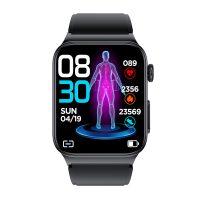
WATCHMARK Cardio One
- Integrated ECG + PPG Dual Heart Monitoring
- Blood Pressure & Blood Glucose Trend Estimation
- High-Precision SpO2 & Body Temperature Sensors
- 1.32-inch HD Touch Screen, IP67 Waterproof
- CE & UKCA Certified with European App Support
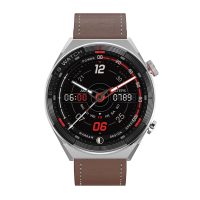
WATCHMARK Maverick
- Ruggedized Zinc Alloy & Polycarbonate Casing
- Multi-Constellation GPS & Route Tracking
- Dynamic Heart Rate & Oxygen Saturation Monitor
- Extended 400mAh Battery (up to 14 days operational)
- Heavy-duty IP68 / 5ATM Water Resistance
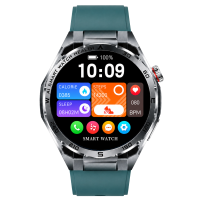
WATCHMARK WM18 Plus
- Continuous PPG Heart Rate & Sleep Quality Analysis
- Multi-Sport Workout Tracking & Calorie Counter
- Ultra-Lightweight Ergonomic Strap & Enclosure
- Long Standby Low-Power SoC Architecture
- Cost-Effective Solution for Mass Market Retail
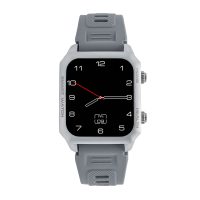
WATCHMARK Focus
- Real-time Pulse Monitoring with Threshold Alerts
- Blood Pressure Trend Calibration Feature
- Sleek Business-Casual Metallic Design
- Smart Notifications & Daily Wellness Scoring
- Multi-Language iOS & Android Companion App
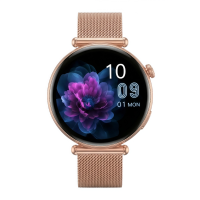
WATCHMARK Active
- HD Speaker & Microphone for Bluetooth Calling
- Dynamic Workout Heart Rate Zone Tracking
- Real-Time SpO2 & Sedentary Reminder Alerts
- Vibrant Full-Touch Display with Custom Dials
- Resilient Enclosure for Active Lifestyles
4. Global B2B Procurement Trends for Cardio Monitoring Wearables (2025–2030)
Sourcing strategies in the consumer electronics and medical device sectors are undergoing structural shifts. Importers, brand owners, and retail procurement teams must navigate evolving compliance demands, consumer expectations, and logistics models. Key procurement trends shaping the next five years include:
1. Mandatory Regulatory Rigor and European Local Compliance
Uncertified electronics face severe customs risks and marketplace bans in Western markets. B2B buyers increasingly reject unverified white-label products in favor of established European brands with verified CE (Conformity European) and UKCA (UK Conformity Assessed) documentation. Having pre-certified models slashes market entry timelines from 12 months down to immediate stocking.
2. Software Ecosystem Integration & API Accessibility
Hardware alone is no longer sufficient. Corporate buyers, healthcare providers, and insurance platforms require smartwatches that seamlessly export bio-data into proprietary cloud platforms. Smartwatches with robust SDKs, Apple Health, Google Fit, and Health Connect synchronization are securing large-scale institutional contracts.
3. De-Risked Logistics via Regional European Warehousing
Global supply chain disruptions have heightened the importance of localized fulfillment. Rather than suffering 6-8 week maritime transit delays from Asia with high minimum order quantities (MOQs), European distributors prefer sourcing from manufacturers maintaining central European hubs (such as Germany, UK, and Poland). This enables quick re-stocking, flexible MOQs, and local technical warranty support.
4. Eco-Conscious Packaging & Material Compliance
Regulatory frameworks such as EU RoHS (Restriction of Hazardous Substances), REACH, and Battery Directives demand non-toxic materials, recyclable packaging, and ethically sourced minerals. Enterprise procurement protocols now inspect supply chain compliance at every tier.
5. Key Technological Development Trends in Cardio Wearables
As microelectronics and machine learning advance, cardio monitoring smartwatches are undergoing rapid technological transformations:
- Edge AI Bio-Signal Filtering: On-device neural processing units (NPUs) filter out motion artifacts caused by running, wrist movement, or loose strap fit in real-time, drastically reducing false positive arrhythmia alerts.
- Non-Invasive Glucose & Metabolic Tracking R&D: Industry R&D is heavily focused on combining optical multi-spectral sensors with interstitial fluid algorithms to estimate continuous blood glucose trends alongside cardiovascular metrics.
- Multi-Sensor Bio-Fusion: Future architectures integrate optical PPG, electrical ECG, bioelectrical impedance analysis (BIA), skin temperature, and galvanic skin response (GSR) into a single unified chip, painting a complete holistic picture of cardiovascular and metabolic health.
- Ultra-Low-Power Chip Architectures: Advanced 4nm and 6nm wearable processors enable multi-day continuous heart monitoring without compromising battery life, solving the high energy drain historically associated with frequent ECG sampling.
6. Frequently Asked Questions (FAQ) for Global B2B Buyers
Below are authoritative answers to the most frequent inquiries submitted by international procurement officers, retail partners, and commercial buyers when evaluating cardio smartwatch suppliers.
7. Enterprise Advantage: Why Global Retailers & Importers Partner with WATCHMARK®
Selecting a long-term manufacturing partner requires evaluating background experience, technological depth, regulatory standing, and business integrity (E-E-A-T: Experience, Expertise, Authoritativeness, and Trustworthiness). WATCHMARK® stands out as an established European smartwatch manufacturer committed to supporting global retail channels.

Our corporate transparency is reflected in our registered operations and legal tax identifiers across key jurisdictions:
- United Kingdom Headquarters: WATCHMARK LTD — 28-29 The Broadway Ealing, W5 2NP London, UK (VAT: GB481500412)
- Germany Logistics & Distribution: WATCHMARK EU — Alte Schulstraße 6, 02694 Malschwitz-Neudorf, DE (VAT: DE353646355)
- Central European Service Hub: WATCHMARK Service — Paprotna 7, 51-117 Wrocław, PL (VAT: PL9241339868)



Start Sourcing Premium Cardio Smartwatches Today
Partner with a European manufacturer trusted by global retailers. Contact our enterprise sales team to receive comprehensive product catalogs, wholesale volume price lists, and evaluation samples.