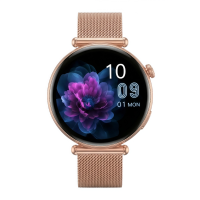
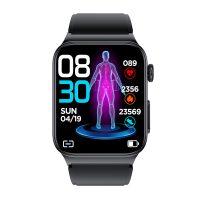
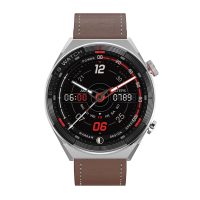
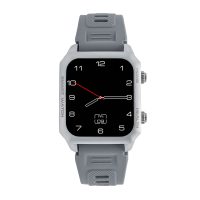
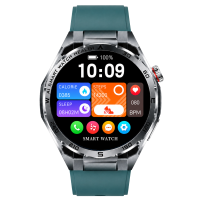
As artificial intelligence, micro-acoustics, and low-power semiconductors advance, the Bluetooth calling smartwatch market is undergoing massive structural shifts. Global sourcing teams and brand managers must align their product roadmaps with five critical technological and commercial trends:
1. AI-Driven Environmental Noise Cancellation (AI-ENC) at the Edge
Early voice smartwatches relied on basic analog filtering, which failed in high-noise environments such as crowded streets, subways, or windy outdoor trails. Next-generation Bluetooth calling smartwatches integrate edge-AI acoustic neural networks directly onto the DSP (Digital Signal Processor). By analyzing audio waveforms in real time, these algorithms isolate human voice frequencies from background ambient sound up to 35dB, ensuring clear communications for corporate users on the go.
2. Widespread Adoption of Bluetooth LE Audio & LC3 Codec Integration
The standard SBC codec is rapidly being superseded by the Low Complexity Communication Codec (LC3), introduced under the Bluetooth LE Audio framework. LC3 provides significantly higher audio fidelity at less than half the bit rate of SBC. For commercial buyers, this technological leap translates into two major market advantages: higher call speech clarity and extended voice talk-time without increasing battery cell size or device thickness.
3. Micro-Acoustic Waterproofing & 5ATM Structural Sealing
A major technical hurdle in manufacturing voice-enabled wearables has been balancing acoustic speaker output with liquid protection. Standard speaker diaphragms suffer structural degradation when exposed to pressurized water. Advanced manufacturing now incorporates hydrophobic ePTFE (expanded polytetrafluoroethylene) acoustic membranes. These micro-porous structures permit sound waves to pass freely while blocking water molecules up to 50 meters of hydrostatic pressure, allowing true IP68 and 5ATM ratings on calling smartwatches.
4. Bio-Sensor Telemetry Fusion During Active Calls
Future smartwatch firmware architectures will feature multi-threaded sensor telemetry during active voice calls. For healthcare providers, remote patient monitoring platforms, and emergency response services, the ability to record ECG, heart rate variability (HRV), and continuous blood oxygen saturations while simultaneously placing a hands-free call creates brand new B2B market opportunities in senior care and enterprise safety monitoring.
5. Localized Supply Chains & EU/UK Regulatory Enforcement
Regulatory authorities across the EU and UK are enforcing stricter compliance standards, including the Radio Equipment Directive (RED), SAR (Specific Absorption Rate) human radiation safety limits, and GDPR data security compliance. Importers relying on uncertified non-EU trading companies face severe customs detention risks and product liability claims. Consequently, global procurement strategies are shifting toward established European manufacturers like WATCHMARK® with domestic warehousing in Germany, Poland, and Great Britain.