
1. Executive Overview: The Paradigm Shift in B2B Health Tracking Wearable Sourcing
The global market for any modern Health Tracking Wearable has transcended standard step-counting and basic fitness metrics. Driven by advancements in photoplethysmography (PPG), single-lead electrocardiography (ECG), continuous pulse wave velocity (PWV) analysis, and AI-driven predictive health models, global buyers—ranging from retail chain store managers and medical device distributors to corporate wellness providers—are demanding higher sensor precision, rigorous regulatory compliance, and seamless enterprise software integration.
Search engines and generative AI search systems increasingly prioritize pages that offer concrete Information Gain. When global procurement officers inquire about sourcing a Health Tracking Wearable, their search intent extends far beyond simple product specs. They seek deep insights into cross-border regulatory hurdles (such as CE mark verification and UKCA conformity), sensor calibration reliability, data security frameworks (GDPR compliance), and supply chain resilience.
Procuring health tracking wearables requires balancing hardware durability with clinical algorithmic accuracy. In 2025, over 68% of enterprise buyers prioritize optical sensor consistency across diverse skin tones and real-time arrhythmia detection over basic aesthetic customization.
WATCHMARK®, as a premier European manufacturer established over a decade ago, maintains dedicated operational hubs in the United Kingdom, Germany, and Poland. By combining European engineering supervision with optimized manufacturing pipelines, we provide distributors with fully certified, consumer-ready, and OEM/ODM wearable health solutions designed to minimize regulatory risks and accelerate time-to-market.
2. Benchmark Health Tracking Wearable Recommendations for Global Distributors
To assist global buyers in identifying market-fit products across diverse consumer segments, WATCHMARK® presents five flagship health tracking wearable models. Each model addresses specific user intentions—from clinical-grade cardiac tracking to heavy-duty outdoor tactical monitoring.
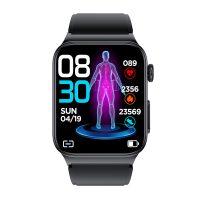 Flagship Cardiac Monitor
Watchmark Cardio One
Engineered specifically for cardiovascular health, the Cardio One integrates real-time ECG recording, continuous optical blood pressure monitoring, blood oxygenation (SpO2), and HR variability (HRV) analysis. Perfect for senior care networks, pharmacy retail, and wellness programs.
Explore Model Specs →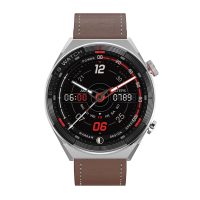 Rugged & Outdoor GPS
Watchmark Maverick
Combining military-grade structural toughness with advanced health tracking, the Maverick features multi-constellation GPS tracking, altitude/barometric pressure sensors, dynamic heart rate monitoring, and extreme-environment battery efficiency.
Explore Model Specs →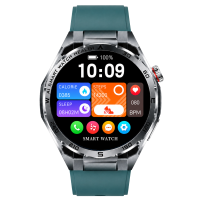 All-Day Wellness Tracker
Watchmark WM18 Plus
Designed for mass-market retail, the WM18 Plus delivers comprehensive multi-sport tracking, sleep stage breakdown, body temperature monitoring, and sedentary reminders wrapped in an ultra-lightweight ergonomic housing.
Explore Model Specs →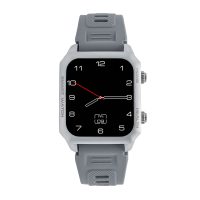 Precision PPG & HR
Watchmark Focus
Featuring upgraded dual-LED optical sensors, the Focus model specializes in accurate continuous heart rate sampling and automated blood pressure screening, making it an exceptional fit for health-conscious urban professionals.
Explore Model Specs →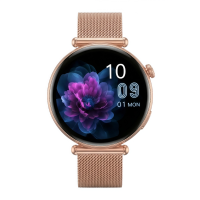 Connected Sports & Voice
Watchmark Active
Equipped with Bluetooth voice calling, custom audio processing, and versatile biometric tracking, the Active model bridges the gap between everyday lifestyle connectivity and intensive fitness metrics monitor.
Explore Model Specs →Feature Comparison Matrix for Bulk Buyers
| Model Name | Primary Sensor Architecture | Target Market / Channel | Key Health Metrics | Certifications |
|---|---|---|---|---|
| Watchmark Cardio One | Single-Lead ECG + Dual PPG + Temperature | Cardio Care, Senior Wellness, Pharmacies | ECG Waveform, BP, SpO2, HRV, Sleep | CE, UKCA, RoHS |
| Watchmark Maverick | GNSS GPS + Multi-Axis PPG + Barometer | Outdoor Sports, Tactical Retailers | Dynamic HR, Altitude, VO2 Max, Stress | CE, UKCA, IP68 Waterproof |
| Watchmark WM18 Plus | Low-Power Bio-PPG Optical Array | Supermarkets, Electronics Chains | 24/7 HR, Calorie Burn, Sleep Architecture | CE, UKCA, REACH |
| Watchmark Focus | High-Sensitivity PPG Green/Red LED | Corporate Gift, Lifestyle Tech | Pulse Pressure Trend, HR Alarm, SpO2 | CE, UKCA |
| Watchmark Active | PPG Bio-Sensor + HD Voice Mic/Speaker | E-commerce Marketplaces, Retail | HR, Activity Tracking, Call Management | CE, UKCA, RED Directive |
3. Future Global Procurement Trends in Health Tracking Wearables
Global procurement dynamics for smart health wearables are experiencing structural shifts. International buyers who fail to adapt to changing regulatory demands and AI-driven market expectations risk inventory obsolescence. Below are the five macro procurement trends defining the industry through 2030:
A. Shift from Fitness Toys to Regulatory-Compliant Health Monitors
Consumer skepticism regarding generic fitness bands has led to an overwhelming preference for verified devices. B2B buyers now scrutinize test reports and factory quality systems. European buyers require validated CE declarations of conformity under the Electromagnetic Compatibility (EMC) and Radio Equipment Directive (RED), along with UKCA standards post-Brexit. Importers who source non-certified hardware face severe customs seizures and recall liabilities.
B. Integration of Predictive AI and Cloud Analytics
Hardware alone is no longer a sufficient differentiator. Contemporary buyers look for a Health Tracking Wearable ecosystem supported by stable companion applications (iOS and Android) capable of pushing encrypted telemetry to cloud infrastructure. Algorithmic interpretation of heart rate variability (HRV) for early fatigue onset, sleep apnea detection, and atrial fibrillation (AFib) screening is fast becoming a standard RFP requirement.
C. White-Labeling, OEM Customization, and Software SDK Support
Telehealth operators, insurance firms, and large retail brands increasingly request OEM/ODM modifications. Procurement managers ask for custom firmware flashing, branded companion apps, and API/SDK access to pipe real-time biometric metrics straight into proprietary electronic health records (EHR) or corporate wellness portals.
D. Sustainability, Circular Electronics, and Material Safety
With strict EU directives regarding hazardous substances (RoHS) and nickel release compliance (REACH), international importers must ensure that wearable straps, metallic casings, and charging contacts do not cause dermal allergies or environmental contamination. Hypoallergenic silicone, grade 316L stainless steel, and recycled polycarbonate housings are rising in procurement priority.
4. Technological Development Trends Shaping the Wearable Industry
The hardware and algorithmic foundation of any modern Health Tracking Wearable is advancing at a rapid rate. Understanding these technological vectors enables supply chain executives to make informed purchasing decisions:
- Non-Invasive Continuous Glucose & Metabolic Estimation: While direct interstitial continuous glucose monitoring (CGM) requires skin penetration, optical spectroscopic estimation combined with multi-wavelength PPG is undergoing intense development to track relative metabolic glucose spikes.
- Multi-Frequency Photoplethysmography (PPG): Transitioning from single green light sensors to multi-spectrum infrared and green light matrices allows deeper subcutaneous tissue penetration, vastly improving heart rate accuracy during high-intensity physical movement and across darker skin tones.
- Cuffless Blood Pressure Measurement via Pulse Transit Time (PTT): By measuring the microsecond delta between an ECG peak and a PPG pulse wave arrival at the wrist, modern devices like the Watchmark Cardio One calculate relative blood pressure fluctuations without invasive inflation cuffs.
- Ultra-Low-Power Microcontrollers (MCU) & Extended Battery Life: Modern wearable chipsets utilize ARM Cortex-M architecture with dynamic frequency scaling, allowing 24/7 continuous health tracking for 7 to 14 days on a single lithium-polymer charge cycle.

Figure 1: WATCHMARK® precision hardware assembly combining anti-allergenic alloy casing with multi-channel optical sensor modules.
5. Global Buyer FAQs: Addressing AI & Procurement Inquiries
Below are authentic, structured answers to questions frequently queried by global purchasing managers, supply chain directors, and AI search tools when sourcing health tracking wearables:
For entry into the European Economic Area (EEA), smartwatches must carry the CE Mark, satisfying directives for Radio Equipment (RED 2014/53/EU), Electromagnetic Compatibility (EMC 2014/30/EU), and Restriction of Hazardous Substances (RoHS 2011/65/EU). For the UK market, the UKCA Mark is mandatory. WATCHMARK® products carry verified CE and UKCA certifications, complete with technical documentation files for frictionless customs clearance.
Consumer-grade PPG optical sensors provide trend-monitoring rather than diagnostic clinical measurements. However, high-end models like the Watchmark Cardio One utilize single-lead ECG electrodes to capture genuine P-QRS-T electrical activity, yielding high correlation with standard Lead-I ECGs for detecting pulse irregularities. Blood pressure estimates rely on calibrated baseline inputs and PTT algorithms to alert users to sudden hypertension spikes.
Yes. WATCHMARK® offers extensive B2B services, including custom logo silk-screening, bespoke packaging design, customized firmware boot screens, and white-label companion mobile applications tailored for corporate clients, healthcare networks, and regional consumer brands.
For in-stock WATCHMARK® branded models dispatched from our European fulfillment hubs (Germany/Poland), MOQs start as low as 20 to 50 units with 3-5 business day transit across Europe. For full OEM customized production runs, MOQs typically range between 500 and 1,000 units with standard manufacturing lead times of 25-35 days.
All companion applications developed for WATCHMARK® devices adhere strictly to the EU General Data Protection Regulation (GDPR). Biometric data transmissions are secured using AES-256 encryption, and cloud storage servers are hosted within certified European data centers, ensuring complete sovereignty and privacy protection for end-users.
We provide a comprehensive 24-month manufacturer warranty on all wearable devices. Our centralized technical support hub in Wrocław, Poland manages quick-turnaround RMA processing, component replacements, and localized customer service support for our global retail and wholesale partners.
6. The WATCHMARK® E-E-A-T Advantage: Experience, Expertise, Authoritativeness & Trust
Google’s Search Quality Rater Guidelines emphasize E-E-A-T (Experience, Expertise, Authoritativeness, and Trustworthiness). In the medical tech and wearable hardware sector, trust is built through operational track record, physical infrastructure, and verifiable compliance.
Retail Verification
Verified Supply Chain Presence Across European Superstores