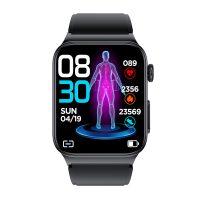
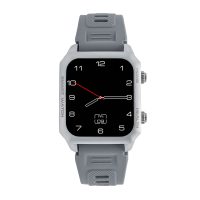
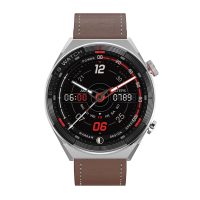
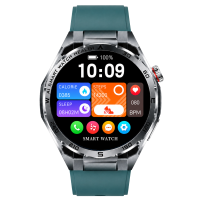
The global market for smart wearables is experiencing a structural pivot. AI search intent data and procurement inquiry analysis reveal that corporate buyers are moving away from unbranded, low-tier white-label watches toward established European brands that can guarantee compliance, data privacy, and firmware reliability. As a senior web designer and Google SEO specialist studying user intent mining, four major macroeconomic trends define the future procurement landscape for any Heart Rate Tracking Watch:
A. Transition from Continuous PPG to Hybrid AI Pulse-ECG Fusion
Standard green-light optical photoplethysmography is no longer sufficient to satisfy discerning healthcare-focused consumers. Next-generation Heart Rate Tracking Watch devices combine optical PPG with active electrocardiogram (ECG) metal contact plates. Machine learning algorithms embedded directly within low-power microcontrollers calculate Heart Rate Variability (HRV), Stress Index scores, and detect baseline micro-arrhythmias. Importers seeking high-margin retail positioning should prioritize models featuring PPG+ECG hybrid fusion technology.
B. Stringent European Regulatory Compliance (MDR & Data Security)
Regulatory authorities in the European Union (EU) and the United Kingdom (UK) have escalated scrutiny on health-tracking consumer electronics. Importers face severe custom border holds if products lack verifiable CE certificates under the Radio Equipment Directive (RED 2014/53/EU) and UKCA compliance. Furthermore, user data privacy regulations (GDPR) require secure cloud telemetry and encrypted app sync. Partnering with a manufacturer like WATCHMARK® ensures that all hardware, firmware, and companion iOS/Android software fully comply with European data protection frameworks.
C. Rise of Enterprise Corporate Wellness Sourcing
Insurance providers, corporate human resource departments, and industrial safety managers represent a rapidly expanding customer segment for the Heart Rate Tracking Watch. Enterprises deploy these devices across workforce populations to monitor stress metrics, prevent heat stroke in heavy industry, and incentivize healthy lifestyles. Procurement buyers must demand bulk SDK access, RESTful API documentation for custom dashboard integration, and flexible fleet distribution capabilities.
D. Supply Chain Resilience and Nearshore European Warehousing
Global supply chain disruptions, fluctuating ocean freight rates, and geopolitical tariffs have highlighted the vulnerabilities of relying solely on direct-from-factory Asian shipments. B2B buyers increasingly prefer working with European manufacturers that maintain localized inventory hubs. WATCHMARK® maintains fully stocked warehousing hubs in Germany (Malschwitz-Neudorf), Poland (Wrocław), and the UK (London Ealing), guaranteeing rapid replenishment within 48 to 72 hours across 20+ countries and eliminating supply chain bottlenecks.