
WATCHMARK® Smartwatch & Health Technology Blog — Insights & Articles
Industrial Wearable Safety Trackers & RTLS Hardware
Engineered for extreme industrial environments: construction zones, underground mining, oil refineries, and high-density logistics hubs.
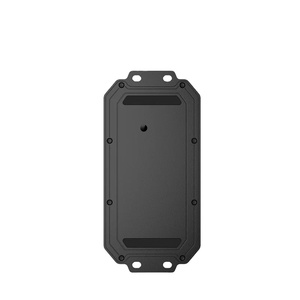
Bluetooth 5.0 Employee & Pallet Asset Tracking Beacon Tag IoT GPS Tracker

Construction Sites Indoor Positioning Personal Tracking Device BLE RTLS Tag
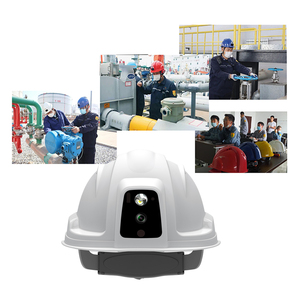
Live Streaming Wi-Fi GPS Voice Intercom 1080P Smart Industrial Helmet Tracker
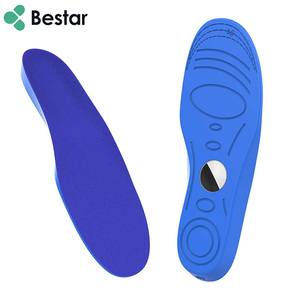
Custom Hidden Ergonomic Wearable GPS Tracker Insoles with Anti-Lost Sensor
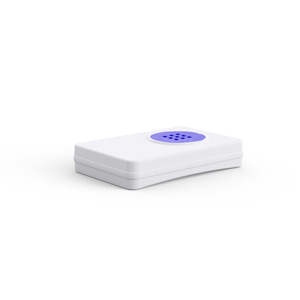
Industrial Construction Personal Locator Hard Hat Clip-on BLE Beacon
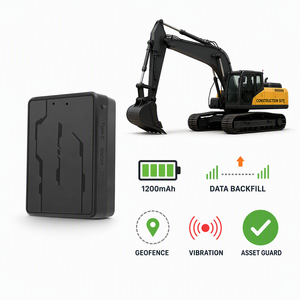
4G LTE Equipment & Personal Tracker with Blind-Zone Data Backfill & Geofence
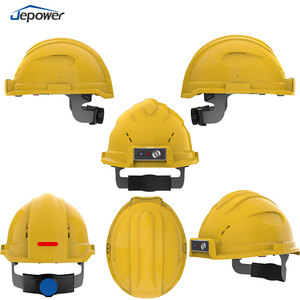
AI Voice Control Smart Hard Hat Tracker with 5000mAh Battery & LTE Camera
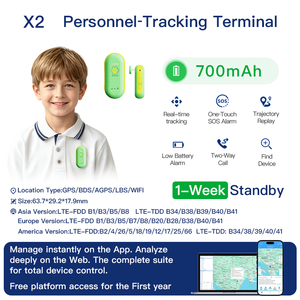
ISO Certified Mini 5-Way Hybrid Positioning Safety Tracker (GPS/4G/WiFi/Beidou/LBS)
Why Top Global Enterprises Trust Our Safety Wearable Manufacturing
Backed by over a decade of high-precision IoT hardware design, certified cleanroom SMT assembly lines, and stringent European testing standards (CE, UKCA, ISO).
Rigorous Compliance & Regulatory Certifications
Our manufacturing facilities maintain strict ISO 9001 and ISO 14001 quality frameworks. All wearable personal location devices, smart safety hard hats, and BLE beacons fully comply with UKCA (UK Conformity Assessed) and European Union CE directive safety parameters, ensuring seamless customs clearance and site deployment.
Hardware Micro-Architecture & Antenna Design
Our in-house RF engineering lab specializes in ceramic patch antenna tunings, sub-gigahertz signal propagation, and high-density Bluetooth Low Energy 5.3 mesh networks. We eliminate RF dead spots inside metallic factory environments, high-rise construction scaffolding, and underground tunnels.
End-to-End OEM/ODM & Firmware Customization
From custom enclosure tooling (PC+ABS shockproof casing with IP68 ingress protection) to low-level RTOS firmware modifications, we support custom MQTT/CoAP telemetry payloads, customized AES-256 data encryption keys, and white-label branding for major industrial system integrators.
Future Procurement Trends in Industrial Safety Wearables
An authoritative strategic breakdown for Procurement Officers, EHS (Environmental Health & Safety) Directors, and IoT System Integrators evaluating next-generation safety hardware.
1. Transition to Hybrid Multi-Constellation Location Fusion
Single-technology GPS trackers are rapidly becoming obsolete due to urban canyoning and metallic shield signal blockage. Modern industrial procurement mandates Hybrid Location Fusion—seamlessly switching between GPS, Beidou, Wi-Fi RTT positioning, Bluetooth 5.3 AoA (Angle of Arrival), and LBS cell towers. Procuring hybrid devices eliminates indoor-outdoor handoff tracking gaps on job sites.
2. Edge-AI Vision & On-Device Sensor Processing
Next-generation smart helmets and wearable badges are migrating processing from cloud servers to the edge. Modern B2B buyers demand hardware capable of locally running 9-axis IMU fall-detection algorithms, posture monitoring, and live voice recognition without relying on continuous cloud connectivity, drastically reducing telemetry bandwidth costs while ensuring real-time response times (< 200ms).
3. Blind-Zone Data Backfill & Data Resilience
In mines, marine vessels, and subterranean infrastructure, cellular connectivity is frequently lost. Smart procurement specs now strictly require Flash Data Backfilling. Wearable hardware must store time-stamped GPS, biometrics, and collision events on internal NOR flash memory and automatically batch-upload to enterprise servers immediately upon reconnection.
4. Modular Smart PPE Integration & Ergonomics
Enterprise safety programs are moving away from bulky external tracking boxes. Sourcing trends prioritize ergonomics: ultra-lightweight helmet clip-ons, covert tracker insoles, and smart badges that integrate seamlessly with standard PPE gear without introducing snags or physical fatigue for workers during 12-hour shifts.
5. Low-Power Cellular Protocols: 4G LTE-M / NB-IoT vs LTE Cat-1
Global cellular network shutdowns (2G/3G sunset) require procurement teams to shift toward NB-IoT (Narrowband IoT) and LTE Cat-M1. These protocols offer superior building penetration (extra 20dB signal gain over standard cellular) while extending rechargeable battery life from days to months on single charges.
6. Mandatory Zero-Trust Hardware Security & Data Sovereignty
With escalating cyber threats against critical industrial infrastructure, enterprise buyers require hardware-level cryptographic chips (Secure Element). Wearables must encrypt data in transit via TLS 1.3/AES-256 and allow direct integration with private cloud infrastructure (AWS IoT Core, Azure IoT Hub, or On-Premise MQTT brokers) to meet strict GDPR and NIS2 compliance.
Industrial Safety Wearable Technology Architecture Comparison
A comprehensive engineering comparison table to guide B2B hardware selection based on operational deployment environments.
| Tracking Technology | Indoor / Outdoor Accuracy | Battery Operating Life | Ideal Industrial Application | Key Hardware Requirements |
|---|---|---|---|---|
| BLE 5.3 RTLS Beacon Tags | 0.5m – 2m (Indoor) | 3 – 5 Years (Coin Cell / Li-Po) | High-Density Warehouses, Pallet Tracking, Indoor Plant Personnel | Low-cost deployment, mesh gateway network compatibility, IP67 housing |
| 4G LTE-M / NB-IoT Trackers | 2.5m – 10m (Outdoor GNSS) | 2 Weeks – 6 Months (Active Telemetry) | Construction Machinery, Outdoor Field Crews, Asset Transit | Multi-band LTE Cat-M1, GPS/Beidou hybrid antenna, internal flash buffer |
| Smart AI Camera Hard Hats | Sub-meter (GPS + Wi-Fi) | 8 – 12 Hours (Full Shift Heavy Duty) | High-Risk Construction, Remote Technical Audits, Hazardous Inspections | 1080P HD streaming, H.264/H.265 compression, noise-canceling 2-way audio mic |
| Covert Insole Trackers | 3m – 5m (Hybrid) | 30 – 60 Days (Motion-Triggered) | Lone-Worker Protection, Executive Security, Covert Site Tracking | Ergonomic shockproof polymer, Wireless QI inductive charging, pressure sensors |
| UWB (Ultra-Wideband) Tags | 10cm – 30cm (Precision Indoor) | 6 Months – 2 Years | Forklift Anti-Collision, High-Risk Chemical Zone Geofencing | IEEE 802.15.4a/z, ultra-low latency (< 20ms refresh), high anchor density |
Industrial Wearable Safety Evolution & Innovation Drivers
How emerging technological paradigms are reshaping employee safety management and industrial internet of things (IIoT) ecosystems.
Convergence of Safety Wearables with Digital Twin Platforms
Industrial safety tracking is shifting from static 2D GPS dots on a dashboard to fully dynamic 3D Spatial Digital Twins. Real-time location data stream via BIM (Building Information Modeling) engines like Unreal Engine and Unity, allowing EHS managers to visualize personnel locations inside complex 3D oil rigs, nuclear power plants, and chemical manufacturing facilities in real time.
Biomechanical & Environmental Multi-Sensor Fusion
Future wearables will go beyond spatial tracking by incorporating physiological telematics. Integrated micro-sensors measure core body temperature, heart rate variability (HRV), toxic gas exposure (H2S, CO), and micro-vibrations, triggering automated evacuations before heat stroke, gas poisoning, or muscular fatigue result in workplace disasters.
Non-Terrestrial Networks (NTN) Satellite Direct-to-Device
The integration of 3GPP Release 17/18 satellite IoT capabilities enables personal safety trackers to connect directly to Low Earth Orbit (LEO) satellite constellations. This technology guarantees 100% global safety coverage for remote mining exploration, cross-border pipeline maintenance, and oceanic maritime operations, completely removing dependence on terrestrial cellular towers.
Frequently Asked Questions (FAQ) for Enterprise Hardware Buyers
Everything procurement officers and technical leads need to know about custom OEM/ODM ordering, hardware customization, testing, and deployment support.
Request Full Product Specifications & Wholesale Factory Catalog
Connect directly with our engineering team to evaluate technical samples, discuss custom firmware requirements, or receive enterprise volume quotes for your industrial safety deployments.