
WATCHMARK® Smartwatch & Health Technology Blog — Insights & Articles
8 Flagship SpO2 Wearable Models for Global OEM/ODM Procurement
Discover our top-rated medical-grade and commercial fitness wearable devices equipped with multi-wavelength photoplethysmography (PPG) modules, clinical heart rate tracking, micro-ventilation, and extended battery architectures for B2B distributors.
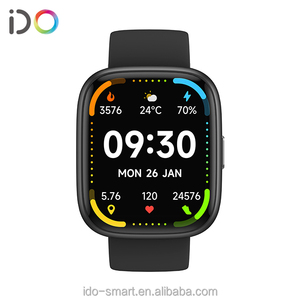
New 1.83" HD Premium Fashion Smart Watch Health Tracker Multi-Sport BT Call IP68 Waterproof
- 1.83" HD IPS Capacitive Touchscreen
- Continuous SpO2 & Heart Rate Array
- Bluetooth 5.2 HD Calling Architecture
- IP68 Ingress Protection Certification
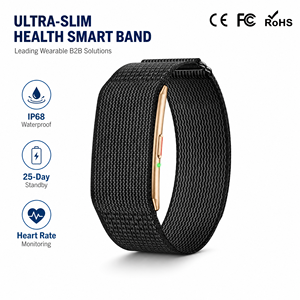
Custom Logo Screenless Smart Bracelet S07 Ultra-thin 7.5mm Health Tracker OEM/ODM Woven Strap
- Zero-Screen Minimalist Form Factor
- 7.5mm Medical Alloy Casing
- Sub-surface Bio-sensor Integration
- Multi-day Nocturnal Hypoxia Tracking
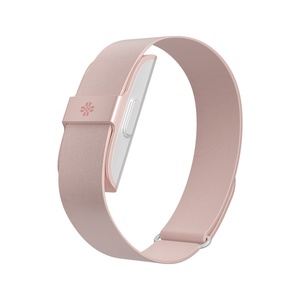
Smartwatch Smart Bracelet Sports Wristband Carbon Fiber Heart Rate & Blood Oxygen Monitor
- High-durability Carbon Fiber Frame
- Red/Infrared Dual-LED SpO2 Sensor
- Advanced Sleep Architecture Analysis
- Ruggedized Waterproof Enclosure
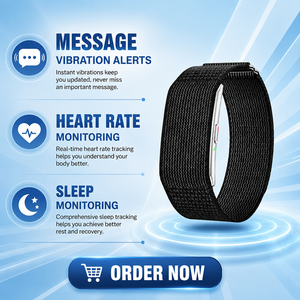
Screenless Smart Bracelet Health Monitoring Woven Wristband Vibration Alert Minimalist Smartband
- Haptic Vibration Alert Engine
- Hypoallergenic Woven Sport Loop
- Low-latency Bluetooth Data Sync
- Ideal for Custom Enterprise APIs
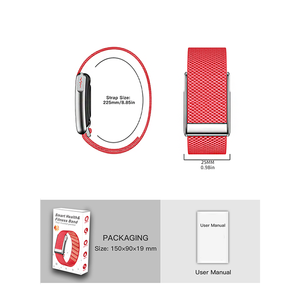
Screen Free Smart Bracelet Woven Strap Sport Loop 136 Sports Modes Remote View IP68
- 136 Professional Athletic Profiles
- Dynamic Blood Oxygen & Heart Rate
- Remote Family Health Dashboard
- IP68 Swimming-Grade Waterproof
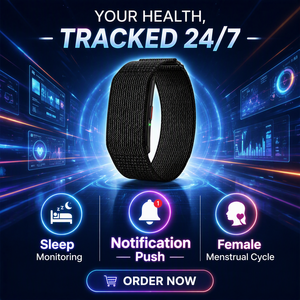
7.5mm Super Slim Smart Bracelet No Screen Waterproof IP68 25 Days Battery HRV SpO2 Tracker
- Heart Rate Variability (HRV) Analysis
- 25-Day Ultra-Long Power Reserve
- Continuous Blood Saturation Engine
- Ergonomic Business-Class Profile
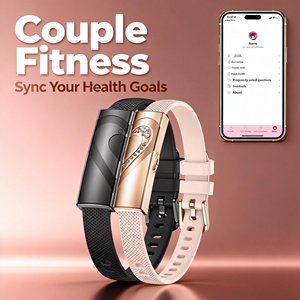
2026 Bluetooth Smart Bracelet Blood Pressure Oxygen Saturation Sleep Monitoring Standby 45 Days
- Dual Blood Pressure & SpO2 Sensing
- 45-Day Extreme Battery Endurance
- AI-Powered Hypoxia Risk Warning
- Multi-lingual Mobile SDK Integration
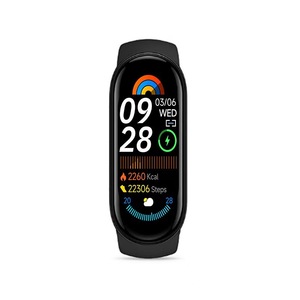
M9 Smart Sports Bracelet Message Notifications Health Monitoring Multilingual Support Pedometer
- High-precision Step & SpO2 Calibration
- Multi-Language Firmware Matrix
- Smart Message & Call Notifications
- Cost-Effective Mass Procurement
Global SpO2 Wearables Market: Executive Summary & Sourcing Benchmarks
In the post-pandemic digital health ecosystem, blood oxygen saturation (SpO2) tracking has evolved from an ancillary wellness metric into a core biological baseline required by healthcare providers, corporate wellness integrators, and consumer technology brands. According to recent market analysis, the global market for smart wearables featuring photoplethysmography (PPG) pulse oximetry is projected to expand at a compound annual growth rate (CAGR) of 16.4%, driven by advancements in continuous non-invasive arterial oxygen monitoring, nocturnal obstructive sleep apnea (OSA) detection, and high-altitude hypoxia tracking.
For enterprise procurement officers, brand owners, and medical supply importers, sourcing oxygen saturation wearables directly from qualified original equipment manufacturers (OEM) and original design manufacturers (ODM) is critical. Selecting a tier-1 manufacturing partner ensures compliance with stringent regulatory frameworks—such as European CE MDR, UKCA, and US FDA 510(k)—while maintaining tight optical signal-to-noise ratios (SNR) across diverse skin tones and motion states.
Comprehensive Analysis: Top 10 Oxygen Saturation Wearable Manufacturers & Factories
To streamline your supply chain evaluation, our senior engineering and procurement specialists have evaluated leading global manufacturers based on optical hardware quality, firmware algorithm precision, production scalability, and regulatory certification depth.
| Manufacturer / Factory | Primary HQ | Core Sensor Tech | Key Certifications | ODM / Firmware Customization | Primary Target Market |
|---|---|---|---|---|---|
| 1. WATCHMARK Manufacturing (Partnered Facilities) | UK / EU / CN | Multi-Wavelength Red/IR PPG + HRV | CE, UKCA, ISO13485, RoHS | Full White-Label, Raw API/SDK Access | European Brands, Medical & Fitness |
| 2. Shenzhen HealthTech Solutions Ltd. | China (Shenzhen) | Dual-LED Reflective PPG | CE, FCC, IP68 | Standard OEM / Housing Tweaks | Consumer Electronics Retailers |
| 3. Dongguan Precision Micro-Electronics | China (Dongguan) | Single-Beam Red PPG Chipset | CE, RoHS | Basic Logo Printing | Promotional & Corporate Gifts |
| 4. Taiwan Bio-Sensors OEM Corp. | Taiwan | Clinical Optical Biosensors | FDA 510(k) Eligible, CE | Deep Hardware Co-Development | Telehealth Providers & Clinics |
| 5. Guangdong Wearable Industrial Park | China (Guangzhou) | Standard Green/Red Hybrid PPG | CE, UKCA, ISO9001 | Modular Shell Selection | Mass Market Smartband Brands |
| 6. Huizhou Smart Optics Co., Ltd. | China (Huizhou) | Screenless Micro-Sensors | CE, ROHS, REACH | Ultra-thin Form Factor ODM | Minimalist Wellness Wearables |
| 7. Jiangsu Medical Electronics Group | China (Jiangsu) | Transmissive/Reflective SpO2 Module | NMPA, CE Medical Class IIa | Clinical Device White-Labeling | Hospitals & Remote Patient Monitoring |
| 8. Seoul Precision Sensing Technology | South Korea | Low-Power Micro-PPG Arrays | KC, CE, FCC | Custom Algorithm Tuning | High-End Active & Outdoor Brands |
| 9. Zhejiang Digital Health Factory | China (Ningbo) | Standard Photodiode Assemblies | CE, ISO9001 | Mass Packaging & Branding | Volume E-Commerce Distributors |
| 10. Bavarian Bio-Wearable Labs (R&D OEM) | Germany | Multi-Spectral Optical Sensing | CE MDR, ISO13485 | Enterprise Software Integration | EU Enterprise & Clinical Trials |
Optical Architecture Superiority
Top-tier factories utilize reflective photoplethysmography incorporating both red wavelength (~660 nm) and infrared wavelength (~940 nm) light-emitting diodes (LEDs). This dual-wavelength spectrum measures the ratio of oxygenated hemoglobin (HbO2) to deoxygenated hemoglobin (Hb) in peripheral microvascular beds with clinical consistency.
Regulatory Compliance & Cleanroom Manufacturing
A key differentiator among manufacturers is the possession of ISO 13485 medical quality management systems. Class 100,000 cleanroom environments prevent microscopic particulate contamination on optical glass lenses, directly maintaining sensor accuracy and waterproofing ratings.
Software SDK & Raw Data Access
Leading ODMs empower client brands by offering robust Bluetooth Low Energy (BLE) APIs and mobile SDKs. This allows enterprise clients to extract raw green, red, and IR photoplethysmogram waveforms for proprietary algorithmic analysis, remote patient telemetry, and cloud storage.
Key Procurement & Product Technology Trends (2026–2030)
As consumer demand shifts toward invisible, continuous health tracking, B2B buyers must align their product roadmaps with key emerging technological shifts in the wearable factory landscape.
1. Transition to Screenless & Ultra-Thin Form Factors
Consumer fatigue with notification-heavy smartwatches has fueled rapid growth in screenless smart bracelets (such as 7.5mm ultra-thin woven bands). By omitting energy-hungry AMOLED displays, factories can utilize larger battery capacities dedicated solely to 24/7 continuous optical SpO2 and HRV monitoring, extending operating life up to 25–45 days.
2. AI-Driven Nocturnal Hypoxia & OSA Screening
Modern OEM firmware increasingly integrates machine learning models trained on thousands of nocturnal oxygen desaturation profiles. Instead of providing static SpO2 numbers, next-generation wearables automatically calculate Oxygen Desaturation Index (ODI) metrics, flagging potential Obstructive Sleep Apnea hypopnea events for medical follow-up.
3. Multi-Sensor Fusion (SpO2 + ECG + Blood Pressure)
Single-metric wearables are rapidly being replaced by multi-sensor cardio platforms. Advanced ODM manufacturing lines now combine PPG optical sensors with single-lead Electrocardiogram (ECG) electrodes and oscillometric/PPG blood pressure estimation, offering holistic cardiovascular assessment within a single compact device.
Factory Capabilities & OEM/ODM Enterprise Superiority
Leveraging European product management rigor alongside scaled Asian assembly infrastructure, our manufacturing coalition delivers robust supply chain security, compliant engineering, and agile customization for international brands.
European Compliance & Standards
Rooted in European quality frameworks with entity operations across the United Kingdom, Germany, and Poland, all products adhere to strict CE (EU) and UKCA (UK) certification protocols. Electromagnetic compatibility (EMC), RoHS material safety, and battery transport safety (UN38.3) are fully documented for effortless customs clearance.
End-to-End OEM/ODM Customization
We provide complete industrial design and software tailoring. Services range from customized CNC alloy metal enclosures, laser-etched brand logos, and custom woven strap colors to bespoke companion apps, UI localization in 20+ languages, and white-labeled cloud dashboards.
Rigorous QA & Optical Calibration
Every production batch undergoes automated optical test rig validation using artificial arterial pulse simulators. We guarantee SpO2 measurement consistency within ±2% against reference clinical blood gas analyzers across the 70%–100% saturation spectrum.
Frequently Asked Questions: SpO2 Wearable B2B Procurement
Clear answers to crucial procurement, technical, and regulatory questions asked by wearable brand buyers and importers.