
WATCHMARK® Smartwatch & Health Technology Blog — Insights & Articles
Featured OEM/ODM Smart Glasses Hardware Catalog
Explore our production-ready smart eyewear platforms equipped with advanced health monitoring biosensors, AI translation pipelines, and premium optical frame materials.
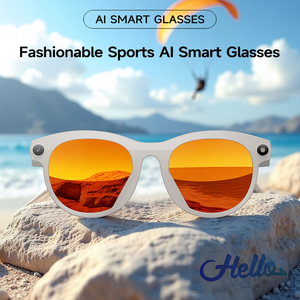
2026 M88 AI Smart Glasses 200MP Camera & Health Fitness Tracker
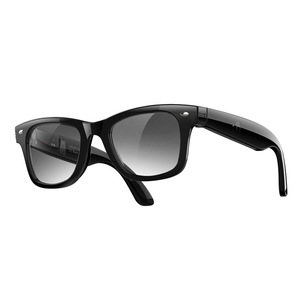
Heart Rate & SpO2 Monitoring HiFi Audio AI Smart Glasses
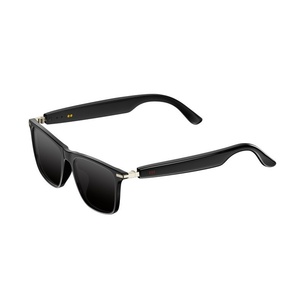
Anti-Blue Light Smart Eyewear with Voice Call & AI Translation
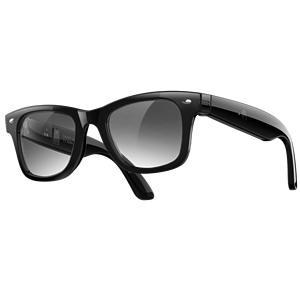
UV Detection & Heart Rate Health Management AI Smart Glasses
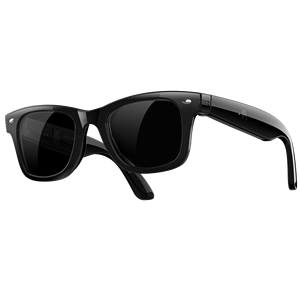
Unisex AI Translation Heart Rate & Body Temp Monitoring Glasses
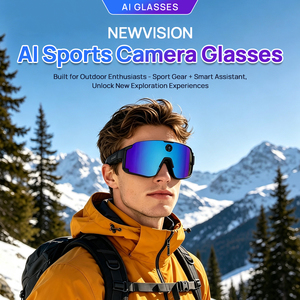
Meta-Style ChatGPT Smart Glasses with Photochromic Lenses & 8MP Camera
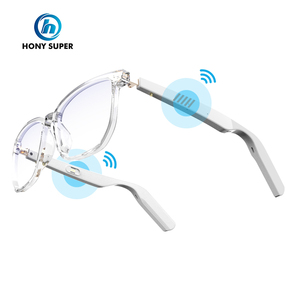
Premium Acetate Bone Conduction Smart Glasses with TWS Audio
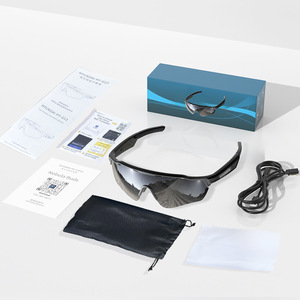
AR HUD Display AI Smart Glasses for Business Travel & Biometric Tracking
Why Global Brands Partner with Our OEM/ODM Manufacturing Ecosystem
As a European-standard wearable engineering powerhouse, WATCHMARK & Alcaretech bridge medical-grade biometric monitoring with high-precision optical hardware manufacturing.
Medical & Regulatory CE / UKCA Compliance
Our manufacturing facilities adhere to strict ISO13485 medical device quality systems. Every smart frame built on our OEM lines carries full compliance documentation for CE (EU), UKCA (UK), FCC, and RoHS, allowing rapid market access across 20+ countries.
Full-Stack R&D: PPG, ECG & Audio Micro-Assembly
We specialize in micro-sensor integration within ultra-slim spectacle temples. Our proprietary photoplethysmography (PPG) algorithms filter out motion artifacts caused by facial gestures and head movement, delivering clean heart rate and pulse oximetry data.
Turnkey Software SDK & White-Label Cloud Support
Accelerate product launch with our comprehensive iOS/Android SDKs and custom firmware API stack. We enable seamless data telemetry streaming, custom cloud health management platforms, and white-label mobile applications tailored to your brand identity.
Agile OEM Customization & Rapid Prototyping
From custom acetate frame milling and TR90 injection molding to optical lens tinting (photochromic, anti-blue light, prescription-ready), our flexible manufacturing lines support low-MOQ pilot runs and scalable mass production.
Strategic Insights: The Convergence of Smart Glasses & Ambulatory Health Monitoring
The wearable electronics paradigm is undergoing a historic shift from wrist-worn fitness trackers to head-worn optical biometrics. As smart glasses evolve from simple open-ear audio accessories into essential digital health gateways, retail brands, healthcare providers, and electronics distributors must navigate complex engineering challenges. Incorporating continuous photoplethysmography (PPG), body temperature monitoring, real-time artificial intelligence (AI) processing, and augmented reality (AR) heads-up displays (HUD) into ergonomic frames under 45 grams requires unprecedented micro-electronic integration.
1. Technological Development Trends in Smart Health Eyewear
The next five years will redefine smart eyewear capability. Our OEM/ODM research and development roadmap focuses on five critical hardware breakthroughs:
- Multi-Spectral Optical Sensor Fusion: Placing miniaturized green-light and infrared PPG sensors along the temporal artery on eyewear arms yields higher signal-to-noise ratios than wrist devices, enabling continuous 24/7 heart rate variability (HRV), pulse oximetry (SpO2), and arterial stiffness evaluation.
- On-Device AI & Voice LLM Integration: Modern smart glasses incorporate low-power neural processing units (NPUs) capable of running speech recognition models and interfacing directly with generative AI infrastructure (e.g., ChatGPT, Whisper, localized LLMs) for instant language translation, voice summarization, and hands-free note-taking.
- Micro-LED Waveguide & HUD Optics: Transitioning from bulky frame-mounted displays to diffractive optical waveguides allows transparent projection of critical health metrics, navigation prompts, and live translation subtitles directly into the user’s field of view without impeding peripheral vision.
- Biocompatible Ergonomics & Materials: Utilizing ultra-lightweight Swiss TR90 memory polymers, aerospace-grade titanium alloys, and hand-finished Mazzucchelli acetate guarantees all-day wearability, hypothermia resistance, and skin-contact compliance under ISO 10993 standards.
- Ultra-Low-Power Chipsets & Energy Density: High-energy dual-cell lithium-polymer battery architectures embedded inside dual temples (up to 290mAh) paired with Bluetooth 5.4 Low Energy (BLE) achieve up to 14 days of standby and 8 hours of continuous audio/biometric streaming.
2. Future Procurement & Sourcing Strategies for B2B Importers
For global distributors, brand owners, and OEM purchasers, selecting the right manufacturing supplier is no longer just about unit cost—it is about supply chain security, firmware adaptability, and regulatory risk mitigation. Key procurement strategies include:
- Modular Hardware Architecture Sourcing: OEM buyers should prioritize modular smart glass platforms that allow swapping frame styles (e.g., Wayfarer, Clubmaster, Sports Wrap) while retaining a standardized electronic core board and biometric sensor array, drastically reducing tooling costs and SKU development timelines.
- End-to-End Firmware & Data Sovereignty: Sourcing smart wearables that enforce end-to-end encryption (AES-128/256) and offer flexible SDKs allows brands to comply with strict regional data protection laws such as GDPR in Europe and HIPAA in the United States.
- Pre-certified Reference Designs: Partnering with manufacturers that offer pre-tested CE, UKCA, and FCC reference designs shortens time-to-market from 12 months down to 60 days, avoiding costly compliance re-testing.
Key Drivers Reshaping Smart Eyewear Procurement
Analytical insights into consumer demand shifts and hardware supply chain evolution for 2026 and beyond.
Hypertension & Preventive Health Monitoring
Consumers are seeking non-invasive continuous arterial monitoring. Smart glasses equipped with temporal-pulse transit time (PTT) technology provide cuffless blood pressure estimates and vascular tone insights during daily wear, opening lucrative preventive health sales channels.
Real-Time Contextual AI Assistance
Voice-first interfaces powered by localized micro-LLMs enable hands-free transcription, instant speech translation for cross-border business meetings, and automated voice summaries—turning smart sunglasses into an indispensable productivity tool.
Optical Lens Customization (Photochromic & Rx)
Modern buyers demand prescription-ready (Rx) smart frames. Our OEM capabilities support photochromic transition lenses that automatically adjust tint based on outdoor UV index, alongside electrochromic and certified anti-blue light coating options.
B2B Sourcing & Manufacturing FAQ
Answers to common technical, regulatory, and production questions from OEM/ODM buyers.
Q1 What is the Minimum Order Quantity (MOQ) for custom OEM/ODM smart glasses?
For standard white-label smart glass models with custom logo branding and packaging, our baseline MOQ starts at 500 units. For deep ODM projects involving custom frame injection molds, bespoke PCB layout, or specific sensor integration, the MOQ typically ranges from 1,000 to 3,000 units depending on hardware complexity.
Q2 How accurate are the PPG blood oxygen and heart rate sensors built into the frame?
By measuring biometrics at the temporal artery—where capillary density is high and skin pigmentation variation is lower than the wrist—our PPG optical sensors achieve a mean absolute error (MAE) of <2 bpm for heart rate and ±2% for SpO2 compared to clinical ECG and pulse oximeter references during static and moderate activity states.
Q3 Can we integrate our proprietary AI models or third-party cloud platforms?
Yes. We provide complete iOS and Android companion app SDKs, raw Bluetooth LE API documentation, and cloud webhook endpoints. This allows your software team to route audio streams and biometric sensor telemetry directly into your custom LLM engine, health platform, or enterprise dashboard.
Q4 What international certifications do your smart health glasses hold?
All our mass-produced smart eyewear platforms carry CE, UKCA, FCC, RoHS, and REACH certifications. Battery cells are UN38.3 and MSDS certified for global air and ocean transport. Factory facilities maintain ISO9001 and ISO13485 quality management accreditation.
Q5 What prescription (Rx) and optical lens options are available for OEM ordering?
We offer a wide spectrum of lens configurations: prescription-ready demo lenses, TAC polarized sunglasses lenses (UV400), anti-blue light coating lenses for office use, fast-reacting photochromic lenses, and custom electrochromic tinting modules.
Q6 How do you ensure GDPR and HIPAA data privacy compliance?
Our hardware and firmware operate with strict data privacy protocols. Biometric data transmitted over Bluetooth Low Energy is encrypted using AES-128. No personal health information (PHI) is permanently stored on the eyewear chipset, and cloud servers can be deployed within client-specified jurisdictions (EU, US, or local servers).
Ready to Launch Your Custom Smart Eyewear Product Line?
Connect with our engineering and B2B sales team today for detailed technical datasheets, ODM customization quotes, and evaluation samples. Let us bring your vision of AI-powered wearable health to market.
Inquire Now