1. Executive Sourcing Insight: The Evolution of Hydration Tracking Smartbands
In the global consumer health technology landscape, simple step-counting pedometers and basic optical heart rate monitors are rapidly giving way to continuous, non-invasive physiological monitoring devices. Among these innovations, hydration tracking smart bracelets represent the fastest-growing niche within the enterprise wellness, athletic performance, and personal healthcare sectors. As China’s premier OEM/ODM manufacturer and exporter of smart wearables, our facility bridges the gap between biomedical sensor research and high-volume consumer electronics production.
Historically, measuring cellular fluid balance and hydration levels required invasive blood draws, urine specific gravity (USG) testing, or clinical bio-impedance analysis (BIA) scale equipment. Today, through micro-gap Bioelectrical Impedance Spectroscopy (BIS), Optical Photoplethysmography (PPG), and Galvanic Skin Response (GSR) micro-sensors embedded directly into 7.5mm ultra-thin form factors, users receive real-time, non-invasive fluid balance alerts. For global brand owners, B2B importers, and corporate wellness procurement leads, sourcing directly from audited Chinese manufacturers provides a decisive competitive advantage in cost efficiency, rapid firmware customization, and time-to-market speed.
Information Gain: Cellular vs. Extracellular Hydration Telemetry
Unlike basic consumer smartbands that merely calculate water recommendations based on static body weight and timer intervals, advanced hydration tracking smart bracelets utilize multi-frequency AC micro-current pulses. These non-perceptible pulses measure extracellular fluid resistance versus intracellular capacitance, yielding a physiological Hydration Index (HI) with dynamic sweat-rate compensation.
IP68 / Hermetic Ultrasonic Seal (Suitable for Swimming)
Battery Efficiency
5–7 Days
2–5 Days (OLED Display)
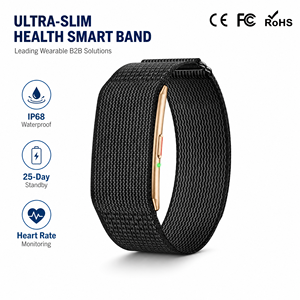
25–45 Days Standby (Optimized Screenless/Low-Power IC)
2. Technology Trends: What Will Drive Hydration Smartband Procurement Through 2030?
As a leading exporter supplying European, North American, and Asia-Pacific markets, our R&D division continuously monitors shifts in consumer demand, sensor technology, and regulatory compliance. Overseas buyers looking to expand their portfolio must align with five major industry developments:
1. Screenless Form Factors
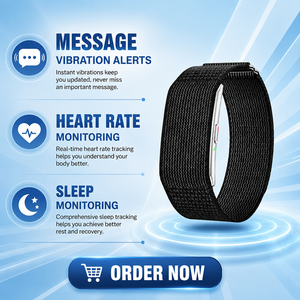
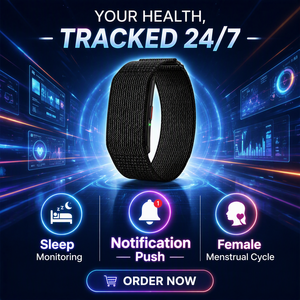
Driven by fashion-conscious users and professional athletes who prefer screen-free focus, screenless smart bracelets (such as our 7.5mm S07 series) prioritize maximum battery life (up to 45 days) and subtle haptic feedback while delegating rich data visualization to paired Android/iOS white-label mobile applications.
2. AI Predictive Electrolyte Tracking
Next-generation algorithm suites combine ambient temperature, activity intensity, skin impedance, and heart rate variability (HRV) to forecast dehydration events 30 to 45 minutes before onset, alerting wearers to consume electrolyte-enriched fluids.
3. Sustainable Woven Fabrics
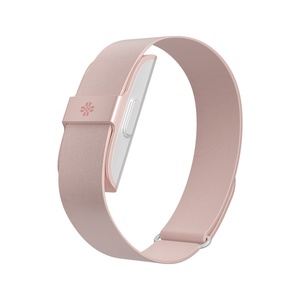
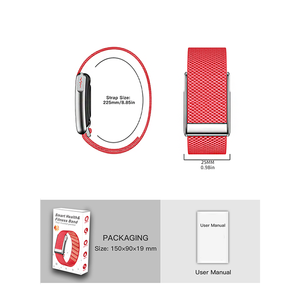
Eco-friendly, anti-microbial woven sport loops are replacing traditional silicone bands. These lightweight, breathable materials maintain continuous, snug skin contact, which is vital for bio-impedance electrode measurements during rigorous workouts.
Future Sourcing & Supply Chain Forecast
According to industry market analysis, the Global Smart Wearable Health Device Market is projected to exceed USD $85 Billion by 2028, with sub-categories such as hydration tracking smart bracelets leading B2B institutional orders from corporate wellness initiatives, insurance rewards programs, and military/first-responder physiological monitoring projects. Sourcing partners who lock in OEM contracts with custom SDK/API support today will capture early market share in this rapidly expanding segment.
3. Manufacturing Rigor: Why Partner with China’s Premier Smartband Exporter
When evaluating suppliers in China for high-precision smart bracelets, international buyers face risks related to sensor calibration inconsistency, component sourcing bottlenecks, and non-compliance with regional consumer safety laws. Our manufacturing infrastructure is built upon decades of electronic innovation, European trade compliance, and end-to-end quality assurance.
CE & UKCA Certified International Standards
Our products undergo stringent testing to obtain full CE, UKCA, RoHS, and FCC certifications, ensuring smooth customs clearance across the UK, European Union, and North America. Every production batch is fully documented for traceability.
Full-Stack OEM / ODM Customization
From silk-screen logo printing, custom strap weaving, and bespoke packaging boxes to proprietary Bluetooth SDK integration, white-label iOS/Android apps, and custom OTA firmware development, we provide complete end-to-end solutions.
Industrial Precision & IP68 Waterproofing
Utilizing automated SMT lines, ultrasonic housing sealing, and 100% pneumatic pressure testing, our screenless and HD smart bracelets achieve genuine IP68 waterproof performance suitable for daily swimming and intense workouts.
Global Logistics & After-Sales Network
Supported by distribution centers, warehouse partners, and service offices across Europe (Germany, UK, Poland), we provide streamlined export logistics, DDP shipping, and local technical warranty support.
Frequently Asked Questions (B2B Procurement FAQ)
Answers to common technical, operational, and commercial questions asked by international buyers and importers.
How do hydration tracking smart bracelets non-invasively measure fluid intake levels?
Our hydration tracking smart bracelets utilize non-invasive Bioelectrical Impedance Spectroscopy (BIS) alongside multi-spectral photoplethysmography (PPG) optical sensors. By sending minute, safe electrical micro-currents through the skin, the sensor measures changes in tissue bio-impedance and cellular resistance. The embedded algorithm correlates these impedance shifts with blood volume variations, body fluid density, and heart rate variability (HRV) to calculate real-time hydration status without requiring blood samples or manual input.
What is the Minimum Order Quantity (MOQ) for custom OEM branding & packaging?
For standard neutral inventory, our MOQ starts at just 50 units. For custom laser-engraved logos or silk-screened brand names on the band casing, the MOQ is typically 500 units. For fully customized retail packaging boxes, bespoke woven strap colors, and custom firmware boot screens or companion mobile app branding, our baseline MOQ is 1,000 units per order. We also offer sample evaluation kits for pre-production testing.
Are your smart bracelets compliant with European Union and UK market regulations?
Yes. All smart bracelets manufactured in our facilities strictly comply with international standards. We provide complete compliance documentation including CE-RED (Radio Equipment Directive), CE-LVD (Low Voltage Directive), CE-EMC, UKCA certification for the United Kingdom, RoHS hazardous substance compliance, and REACH testing reports. Test reports from accredited third-party laboratories (SGS, TUV) are readily available upon request.
Can we integrate data from your smartbands into our proprietary corporate wellness software?
Absolutely. We specialize in B2B software ecosystem integration. We offer comprehensive Software Development Kits (SDKs) and Application Programming Interfaces (APIs) for both iOS and Android platforms. This allows enterprise clients, healthcare providers, and sports platforms to securely extract raw sensor data—such as hydration indices, heart rate variability, skin temperature, and sleep cycles—directly into their own servers or branded applications.
How long does the battery last on screenless vs. HD display hydration smartbands?
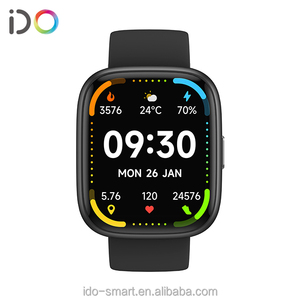
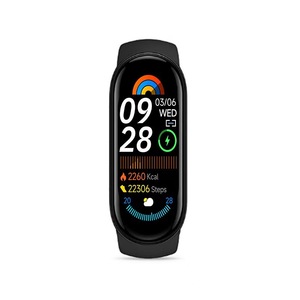
Battery performance varies by display architecture and sensor sampling frequency. Our screenless models (such as the 7.5mm ultra-thin S07 and sport loop bands) are engineered with low-power microcontrollers and optimized firmware, delivering 25 to 45 days of continuous operation per single charge. Our HD display models featuring 1.83" color screens provide 7 to 14 days of typical active use with automated continuous heart rate and hydration tracking enabled.
What lead times should importers expect for standard and custom bulk shipments?
Standard neutral inventory orders ship within 3 to 5 business days from our warehouse network. Custom OEM orders requiring laser etching, custom strap color matching, or customized packaging typically require a production lead time of 15 to 25 business days following sample approval. Express air freight delivery takes 5 to 7 days globally, while sea freight or train freight (FCL/LCL) to Europe and North America ranges from 20 to 35 days.
Ready to Scale Your Smart Wearable Lineup?
Partner directly with China's top audited hydration smart bracelet manufacturer. Request institutional pricing sheets, technical whitepapers, SDK documentation, or custom sample units today.