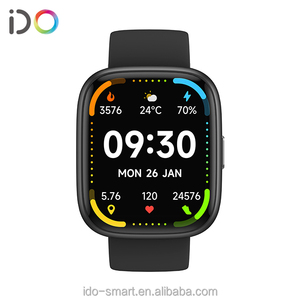
CE Certified · IP68

Explore our CE & UKCA compliant smartwatch and screenless smart bracelet architectures designed for enterprise deployment, corporate wellness, and global retail distribution.
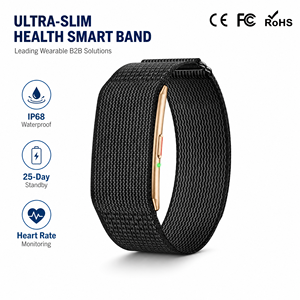
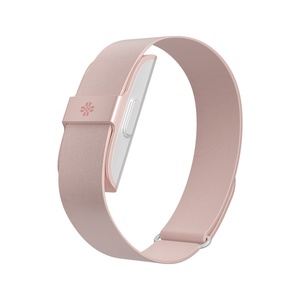
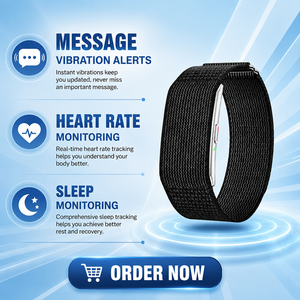
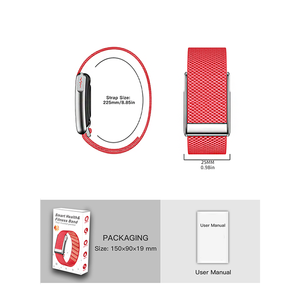
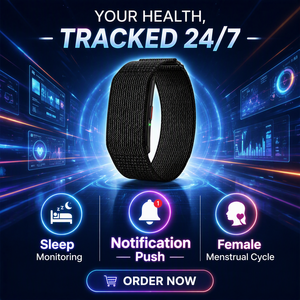
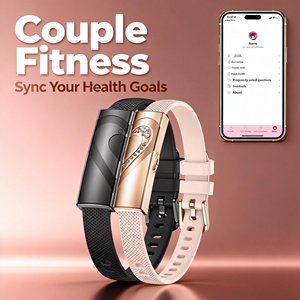
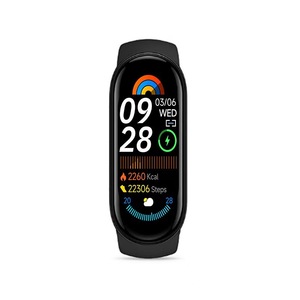
The global consumer electronics market is witnessing an unprecedented transition from standard Transflective TFT and LCD display panels to Active-Matrix Organic Light-Emitting Diode (AMOLED) display architectures. High-performance AMOLED displays are no longer restricted to ultra-luxury smartphones; they have become the fundamental standard for high-margin, CE-certified smartwatches and health monitoring wearables worldwide.
For enterprise procurement executives, global brand managers, and B2B distributors, selecting qualified CE certified AMOLED display smartwatch factories requires navigating a sophisticated landscape of manufacturing compliance, display driver integration, optical sensor calibration, and battery optimization. A certified manufacturing partner does not simply assemble off-the-shelf components; they maintain stringent ISO9001 and ISO13485 cleanroom assembly lines, manage Radio Equipment Directive (RED 2014/53/EU) testing protocols, and engineer custom hardware platforms capable of delivering true information gain and multi-year market reliability.
Key Strategic Takeaway for B2B Buyers: CE and UKCA certifications serve as mandatory baseline requirements for legal distribution across Europe and the UK. Working with established European-backed manufacturing facilities guarantees compliance with LVD (Low Voltage Directive), EMC (Electromagnetic Compatibility), and RoHS 2.0 hazardous material restrictions.
Understanding the structural differences between AMOLED and legacy display technologies is crucial when establishing product specifications and target retail price points. AMOLED technology utilizes self-illuminating pixels, eliminating the requirement for a heavy, power-hungry backlight unit. This structural advantage permits ultra-thin chassis design—reaching profiles as thin as 7.5mm in premium screenless and display-based fitness bands.
| Performance Metrics | AMOLED Display Smartwatches | Traditional TFT / LCD Smartwatches | Screenless Biometric Bands |
|---|---|---|---|
| Display Contrast Ratio | 100,000:1 (True Deep Blacks) | 1,000:1 (Grayish Tinted Blacks) | N/A (Haptic / LED Indicators) |
| Power Consumption | Dynamic (0% draw on black pixels) | Static Constant Backlight Draw | Ultra-Low Microampere Operating Draw |
| Outdoor Sunlight Readability | Superior (Up to 1000+ nits peak) | Moderate to Poor (Reflective glare) | N/A (App Data Sync Focus) |
| Chassis Thickness Potential | Ultra-Thin (7.5mm - 10.5mm) | Thicker (12.0mm - 15.0mm) | Super Slim (7.5mm Minimalist) |
| Always-On Display (AOD) | Hardware Native Supported | Simulated (High battery drain) | N/A |
| Primary Target Market | Executive Health & Cardio Watch | Budget Entry Level Fitness Tracker | Corporate Wellness & Bio-Hackers |
Advanced smartwatch factories integrate specialized Display Power Management ICs (DPMIC) operating alongside low-power Bluetooth Low Energy (BLE 5.2 / 5.3) microcontrollers such as Nordic Semiconductor nRF5340 or Realtek RTL8763E series. In AMOLED designs, software engineering allows dark-themed user interfaces (UI) to deactivate up to 80% of screen pixels during standard operating modes, drastically extending battery longevity while delivering stunning visual fidelity.
Leveraging years of specialized research and manufacturing refinement, WATCHMARK® stands at the forefront of European wearable health engineering. Operating across key logistical hubs in London (UK), Malschwitz-Neudorf (Germany), and Wrocław (Poland), our operations bridge cutting-edge Asian manufacturing capability with strict European quality control standards and regulatory compliance.
Complete compliance portfolios including RED Directive 2014/53/EU, EN 62479, and UKCA safety standard verifications.
Integration of dual-beam PPG optical sensors, high-accuracy electrocardiogram (ECG) chips, and continuous SpO2 algorithms.
Flexible white-label branding, customized firmware boot screens, localized app software, and tailored retail packaging.
Our certified production facilities employ automated optical inspection (AOI) for SMT surface-mount technology lines, robotic liquid silicone injection molding for IP68 dust and water sealing, and 100% pressure-chamber air tightness testing on every unit before shipment. Furthermore, our strategic retail partnerships—such as placement with global sport retail titan Decathlon—validate our brand's reputation for uncompromised quality and high consumer trust.
As the wearable electronics domain matures, institutional buyers must align their procurement roadmaps with shifting consumer demands and technological breakthroughs. Our enterprise whitepaper highlights four dominant trends shaping the future of smartwatch factories:
The market is splitting into two distinct user preferences. Executive users and active sports enthusiasts demand high-definition AMOLED displays with rich visual feedback and Bluetooth calling functionality (e.g., Watchmark Active, 1.83" HD Premium Series). Conversely, corporate wellness initiatives and bio-hackers increasingly favor ultra-lightweight, screenless smart bracelets (e.g., S07 7.5mm Series). Screenless bands prioritize zero digital distraction, extended battery life up to 25–45 days, and continuous background tracking of Heart Rate Variability (HRV), sleep architecture, and stress indicators.
Future-ready factories are heavily investing in algorithmic accuracy for non-invasive health monitoring. This includes blood pressure trend tracking, pulse wave velocity (PWV) analysis, continuous arterial oxygen saturation (SpO2), and ECG arrhythmia screening. Modern factories must provide validated test data proving that optical sensor hardware remains accurate across diverse skin tones, ambient temperatures, and movement artifacts during high-intensity exercise.
Regulatory bodies in Europe and North America have heightened restrictions on nickel release, phthalates, and synthetic polymers in wearable tech. Leading factories have converted production lines to medical-grade 316L stainless steel, lightweight carbon-fiber reinforced composites, dynamic woven nylon loops, and biocompatible fluororubber (FKM) straps certified under EU REACH regulations.
Hardware performance alone no longer guarantees retail success. Enterprise buyers require factory partners that offer customized software development kits (SDKs) and open API access. This enables corporate clients to integrate health data seamlessly into proprietary healthcare platforms, insurance portals, or employee wellness applications while complying strictly with GDPR and HIPAA data privacy mandates.
When evaluating a manufacturing facility claiming to produce CE certified AMOLED smartwatches, enterprise purchasing teams should execute a rigorous audit protocol covering the following mandatory benchmarks:
Verify full test reports from accredited third-party labs (e.g., TÜV, SGS, Intertek) confirming compliance with EN 300 328 for Bluetooth RF emissions.
Ensure integrated Lithium Polymer batteries feature UN38.3 transport certification and IEC 62133 safety circuitry against overcharge and thermal runaway.
Inspect the factory's automated water-immersion pressure tanks to confirm real-time testing under 1.5-meter static water depth conditions.
Factory Procurement Advice: Always request the original Certificate of Conformity (DoC) with valid test report numbers matching the exact model code. Genuine CE certified factories transparently provide documentation for verification against European notified body databases.
Smartwatches imported into the European Union must comply with the Radio Equipment Directive (RED 2014/53/EU), which encompasses Electromagnetic Compatibility (EMC), Radio Frequency (RF) efficiency (EN 300 328), Health & Safety (EN 62479 / EN 62368-1), and RoHS Directive 2011/65/EU (RoHS 2.0) restricting heavy metals. Legitimate manufacturers provide a full Declaration of Conformity (DoC).
Standard white-label logo customization (laser engraving on case-back, custom packaging, boot-up software logo) typically starts at 500 to 1,000 units per model. Full ODM projects requiring customized tooling, bespoke PCB design, or specialized AMOLED display shaping generally require MOQs of 3,000 to 5,000 units depending on technical complexity.
Screenless smart bracelets (such as our ultra-thin 7.5mm series) excel in continuous biometric tracking without distraction. They offer extended battery life (up to 25-45 days), lightweight comfort during sleep, and lower unit procurement costs, making them ideal for high-volume corporate giveaways or insurance wellness programs. AMOLED smartwatches provide interactive touch interfaces, real-time message reading, dynamic watch faces, and voice calling suited for high-tier retail markets.
High-quality manufacturing facilities utilize Optical Clear Adhesive (OCA) full-lamination technology under vacuum cleanroom conditions. This eliminates air gaps between the AMOLED panel and cover glass, preventing moisture ingress, display lifting under thermal fluctuation, and touch latency issues.
Yes. Our engineering architecture supports multi-language firmware packages (including English, German, French, Italian, Spanish, Polish, Czech, and more). We also provide API/SDK documentation for client-side smartphone app integration across iOS and Android ecosystems.
Looking to scale your smartwatch product line, launch a custom OEM/ODM series, or secure certified inventory for European distribution? Our engineering and sales team is ready to assist with technical specs, samples, and wholesale quotations.