
WATCHMARK® Smartwatch & Health Technology Blog — Insights & Articles
Choosing a Heart Rate Tracking Watch can make daily activity easier to understand. It records your pulse during walks, workouts, and rest, then turns those readings into patterns you can review. A glance at your wrist may show that a brisk hill raises your heart rate more than a flat neighborhood route. Small clues matter.
For many people, these trends help with pacing. You might slow down when a workout feels unusually demanding, or notice how your pulse changes as your fitness routine becomes consistent. Useful features can include continuous tracking, clear historical charts, comfortable straps, and battery life that suits your schedule. Accuracy and comfort vary by device and fit, so compare independent testing and follow the manufacturer’s guidance.
A watch is not a medical diagnosis tool. Readings may be affected by movement, skin contact, temperature, or the device itself. If a number seems unusual, check the fit and repeat the measurement at rest. I would not treat one colorful chart as proof of a health problem—or of perfect fitness. That distinction is easy to forget. People with health concerns should discuss symptoms and tracking data with a qualified healthcare professional. The best choice is not necessarily the model with the most metrics; it is one you can wear comfortably and interpret realistically. Done well, heart-rate tracking offers useful context, not certainty.
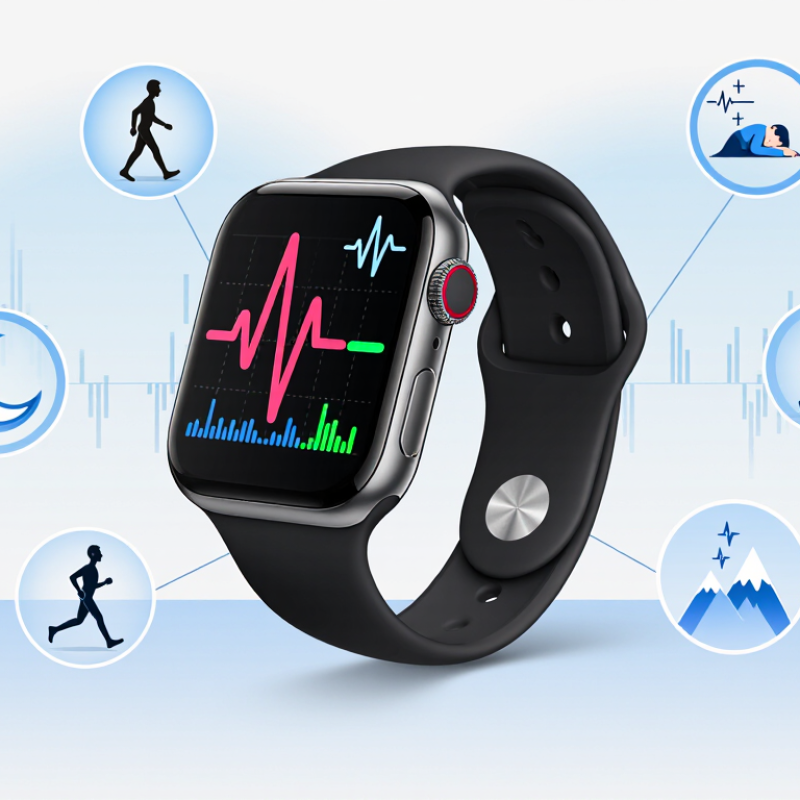
What a Heart Rate Tracking Watch Measures
Why Choose a Heart Rate Tracking Watch?
What a Heart Rate Tracking Watch Measures
A heart rate tracking watch estimates how many times your heart beats each minute. Most models use small lights and sensors against the skin to detect changes in blood flow. The result is shown as beats per minute, or BPM. It is an estimate, not a direct view of your heart.
During a brisk walk, your reading may rise as your pace quickens, then fall while you rest. Many watches also record resting heart rate and show patterns across days or weeks. Some group readings into intensity zones, which can help you judge whether a workout feels easy, steady, or demanding. Useful, but not perfect.
Movement can make readings less reliable, especially during fast exercise. A loose band, cold skin, or sweat may also affect the sensor. Wear the watch snugly, a little above the wrist bone, and compare trends rather than reacting to one number. The display can look precise. It still has limits. A watch reading is not a diagnosis, and unusual symptoms deserve attention from a qualified health professional.
| Measurement | What It Measures | Typical Unit or Display | Why It Can Be Useful | Important Note |
|---|---|---|---|---|
| Current heart rate | The number of heartbeats per minute, measured periodically or continuously depending on the watch settings. | Beats per minute (bpm) | Helps you observe how your heart rate changes during rest, everyday activity, and exercise. | Wrist-based optical readings can be affected by movement, fit, skin characteristics, and other factors. |
| Resting heart rate | A heart-rate value recorded while you are inactive, often summarized from readings taken during rest or sleep. | bpm; daily or weekly trend | Tracking the trend over time can provide context about changes in your routine or general condition. | A single reading is not a diagnosis. Compare measurements taken under similar conditions. |
| Exercise heart rate | Heart-rate readings recorded during a workout, sometimes shown as a live value and a session summary. | bpm; average and peak values | Lets you review how your heart rate responded to different parts of a workout. | Wrist sensors may respond less reliably during rapid changes in intensity or activities with repeated wrist movement. |
| Heart-rate zones | Ranges that group heart-rate readings by intensity. Some watches estimate these ranges using personal details or a maximum-heart-rate estimate. | Zone number, range in bpm, or time in zone | Can help organize workout intensity and review how long you spent at different effort levels. | Zone boundaries vary by method and person; age-based estimates are approximate. |
| Heart-rate variability (HRV) | Variation in the time between consecutive heartbeats, typically summarized from selected readings. | Milliseconds (ms) | May help you follow personal trends when measurements are collected consistently. | HRV varies naturally and is influenced by many factors. A wearable reading should not be used on its own to assess health. |
| Heart-rate recovery | The change in heart rate after exercise stops or intensity decreases, when the watch records suitable readings. | Change in bpm over a stated interval | Provides a way to review post-exercise heart-rate patterns across workouts. | Results depend on the measurement interval, workout conditions, and recovery method used. |
| Workout calories | An estimated energy expenditure that may use heart-rate data alongside factors such as activity, duration, and user profile. | kilocalories (kcal) | Offers a rough reference for comparing similar sessions or reviewing activity patterns. | Calorie values are estimates, not direct measurements, and can differ from actual energy expenditure. |
FAQS
It estimates how many times your heart beats per minute, shown as BPM. It is not a direct view of your heart.
Small lights and sensors against your skin detect changes in blood flow. The result is an estimate.
Yes. A brisk walk up a familiar hill may raise your reading, then it may fall as you rest. Useful, but imperfect.
Fast movement, a loose band, cold skin, or sweat can affect the sensor. Wrist readings have limits.
Keep it snug, a little above your wrist bone. A loose fit can interfere with readings.
Compare trends across several days instead. I sometimes trust one number too much; that is not always wise.
Sleep, stress, heat, and a demanding training day may influence readings. Note the context.
No. Use readings alongside how you feel, and seek advice from a qualified health professional about persistent concerns.
Conclusion
A Heart Rate Tracking Watch measures how quickly your heart beats and can show how that rate changes during exercise, rest, and everyday activity. Most wrist-based watches use light sensors to estimate changes in blood flow beneath the skin. Because movement, fit, skin contact, and other conditions can affect readings, the results are best viewed as helpful estimates rather than medical diagnoses.
Heart rate data can help you understand workout intensity, notice patterns in recovery, and make activity goals more informed. Tracking accuracy may depend on sensor design, a secure but comfortable fit, and how steadily the watch stays against your wrist. When choosing a watch, consider how you plan to use it, which health and fitness features matter to you, how easy its readings are to understand, and whether it feels comfortable enough for regular wear.