
WATCHMARK® Smartwatch & Health Technology Blog — Insights & Articles
Wearable Health Technology
SMART WELLNESS
Heart Rate · ECG · Blood Pressure · Fitness Tips
What Are the 2026 Top Consumer Wearable Electronics?
Table of Contents
- Consumer Wearable Electronics: Definition, Scope, and 2026 Market Context
- Key Technologies Powering the Top Wearable Devices in 2026
- Leading 2026 Wearable Categories: Smartwatches, Rings, and Health Trackers
- How 2026 Wearables Compare in Features, Accuracy, Comfort, and Privacy
- Choosing the Right Consumer Wearable for Different User Needs
- FAQS
- Conclusion
- Related Posts
Consumer Wearable Electronics are moving beyond simple step counters. In 2026, the strongest products will likely combine health sensing, artificial intelligence, comfort, and reliable battery life. A watch that records heart rhythm during a morning run may matter more than a brighter screen. A smart ring that tracks sleep without a display may fit quiet routines better.
Industry data supports this broader view. IDC’s Worldwide Quarterly Wearable Device Tracker recorded more than 500 million wearable shipments globally in 2023, showing the category’s substantial scale. Its later forecasts also point toward continued expansion across watches, earbuds, and emerging devices. However, growth is not uniform. Counterpoint Research reported a decline in global smartwatch shipments during 2024, reminding buyers that a crowded market does not guarantee healthy demand. Deloitte’s Connected Consumer Survey also highlights a continuing tension between convenience, device usefulness, privacy, and subscription fatigue.
That tension shapes the 2026 conversation. Top products should not be chosen by specifications alone. They need accurate sensors, transparent data policies, accessible applications, and evidence-backed health features. The Consumer Technology Association’s consumer research further suggests that ownership depends on practical value, not novelty. Still, forecasts can miss sudden changes in pricing, regulation, or consumer trust. That is worth remembering.
This guide examines the leading categories expected to influence 2026, including smartwatches, smart rings, fitness trackers, connected earbuds, and health-focused wearables. It compares real-world usability, measurement quality, ecosystem compatibility, and long-term value. The best device may not be the most expensive one. It may simply disappear into daily life.
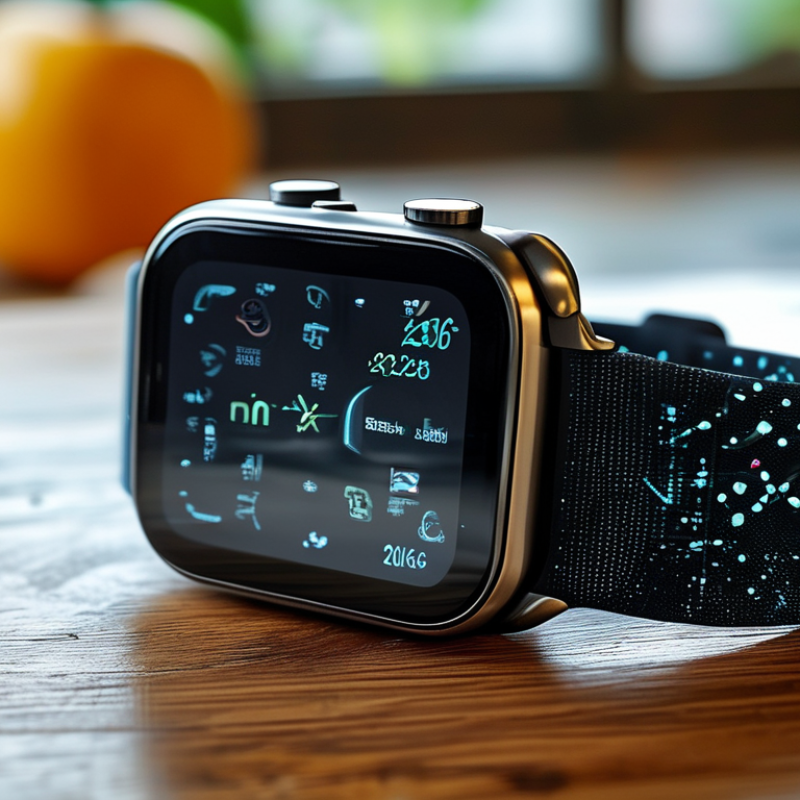
Consumer Wearable Electronics: Definition, Scope, and 2026 Market Context
What Are the 2026 Top Consumer Wearable Electronics?
Consumer wearable electronics are body-worn devices that collect, process, and display personal data. They typically combine sensors, wireless connections, mobile software, and rechargeable power. The category includes smartwatches, fitness bands, smart rings, connected earbuds, health-monitoring patches, and emerging smart glasses. Their value depends on useful feedback, not simply on the number of sensors.
In the 2026 market context, smartwatches and fitness trackers remain major categories because they support activity records, sleep estimates, notifications, and emergency features. Smart rings attract users who want quieter, lighter monitoring. Connected earbuds increasingly support voice control, movement detection, and hearing-related functions. Wearable patches may offer more continuous readings, but comfort, skin sensitivity, and data accuracy still require careful testing. Smart glasses show potential, although battery limits and social acceptance remain unresolved.
A reliable evaluation should compare sensor validation, battery performance, software clarity, repair options, and privacy controls. Check the measurement conditions. A step count can vary across devices, especially during short indoor movement. Sleep scores are useful indicators, not clinical diagnoses. I would also question impressive health claims without transparent testing methods or independent evidence. The best 2026 wearable may be the device that fits daily routines, explains uncertainty, and avoids collecting unnecessary personal information. The market still has rough edges. That is worth remembering.
Key Technologies Powering the Top Wearable Devices in 2026
In 2026, leading consumer wearables rely on smaller, smarter sensor systems. Optical sensors track pulse, oxygen trends, and blood-flow changes through the skin. Skin-temperature sensors add useful context during sleep and exercise. Motion sensors distinguish walking, cycling, lifting, and restless movement. However, sweat, loose straps, and darker environments can reduce accuracy. No sensor is perfect.
Edge artificial intelligence processes much of this data directly on the device. That reduces delays and limits unnecessary cloud transfers. A wrist device can detect an irregular rhythm within seconds. A smart ring can identify unusual sleep patterns overnight. These features need careful validation, not impressive wording alone. Independent testing, clear error ranges, and readable health warnings support trustworthy use.
Battery technology is equally important. Low-power chips, adaptive screens, and energy-saving wireless connections help devices last for several days. Some newer models use flexible materials that follow the wrist more naturally. Tiny microphones and contactless controls also improve accessibility. Yet convenience can create new concerns. Continuous monitoring may encourage anxious checking. I still question whether every metric deserves attention. Strong encryption, local data controls, and transparent consent settings should be built into the user experience, not added later.
Leading 2026 Wearable Categories: Smartwatches, Rings, and Health Trackers
The 2026 wearable market is moving beyond simple step counting. Smartwatches now combine activity tracking, sleep analysis, heart-rate monitoring, and emergency alerts. Their larger screens support quick notifications, guided workouts, and clearer health trends. Comfort matters. A watch that feels heavy may stay in a drawer.
Smart rings offer a quieter alternative for people who dislike screens. Their compact sensors can monitor sleep patterns, resting heart rate, skin temperature, and recovery signals. However, smaller devices usually provide less interaction and may depend on a phone for detailed reports. Data needs context. A single unusual reading should not create panic or replace professional medical advice.
Health trackers remain valuable for users who want focused information. Some measure movement, sleep consistency, breathing patterns, or daily strain with simple interfaces. Reliable products should explain measurement limits, protect personal data, and show how results are calculated. Independent validation is important, especially for features involving heart rhythm or blood oxygen. Accuracy can change with loose fitting, skin contact, exercise, or battery condition. I still find recovery scores difficult to interpret after stressful days, because the number can look precise while hiding personal circumstances. Consumers should compare trends over several weeks, not chase every daily change. Small signals matter. The best category depends on the user’s routine, comfort, health goals, and willingness to review data carefully.
How 2026 Wearables Compare in Features, Accuracy, Comfort, and Privacy
What Are the 2026 Top Consumer Wearable Electronics?
How 2026 Wearables Compare in Features, Accuracy, Comfort, and Privacy
In 2026, leading consumer wearables are judged by balance, not flashy screens. Health watches, smart rings, fitness bands, and connected glasses serve different routines. During repeated daily use, useful features should remain simple to access. Heart-rate sensors can perform well during walking and steady exercise. They may struggle during strength training or sudden movement. Sleep tracking offers helpful patterns, but it is not a medical diagnosis. Small errors remain. GPS readings can drift near tall buildings or dense trees.
Comfort often decides whether a device survives beyond the first week. A lightweight ring may disappear during sleep, while a watch offers clearer controls. Tight straps can leave red marks after several hours. Loose straps can weaken sensor readings. Weight, surface texture, and charging habits all affect real-world use. Battery life also matters during travel, especially when charging cables are easy to forget. My own preference has changed after wearing devices overnight; thin designs felt better than feature-heavy models.
Privacy deserves equal attention. Buyers should check what data is collected, where it is stored, and how long it remains available. Clear permission controls are more valuable than vague promises. Local processing can reduce exposure, while deletion tools should be easy to find. Some products explain sharing practices poorly. I once accepted default permissions too quickly. That was careless. A reliable comparison should inspect privacy settings, test accuracy across ordinary activities, and report weaknesses without exaggeration.
What Are the 2026 Top Consumer Wearable Electronics? - How 2026 Wearables Compare in Features, Accuracy, Comfort, and Privacy
A brand-neutral comparison of major consumer wearable categories using commonly available technologies and typical real-world performance characteristics.
| Wearable Category | Core Functions | Health and Fitness Accuracy | Typical Battery Life | Comfort for Daily Wear | Privacy Exposure | Best-Suited Users |
|---|---|---|---|---|---|---|
| Advanced Smartwatch | Heart-rate tracking, ECG on supported models, blood-oxygen sensing where permitted, sleep tracking, GPS, notifications, calls, contactless payments, and emergency alerts. | High for heart rate and GPS Resting heart rate is generally reliable; calorie estimates, sleep stages, and blood-oxygen readings are less precise than clinical measurements. |
Approximately 1–3 days, depending on display use, GPS activity, and cellular connectivity. | Good Usually lightweight, but the screen, charging routine, and wrist fit may affect overnight comfort. |
Moderate Collects location, activity, health, communication, and payment-related data; privacy depends heavily on account and cloud settings. |
Users wanting the broadest combination of health monitoring, communication, navigation, and safety features. |
| Fitness Tracker Band | Step counting, continuous heart-rate monitoring, workout modes, sleep duration, activity reminders, and basic notifications. | Strong for steps and resting heart rate Suitable for trends and general fitness; distance, calories, and sleep-stage results are estimates. |
Approximately 5–14 days. | Very good Small, light, and generally unobtrusive during sleep and exercise. |
Moderate Typically gathers fewer data types than a smartwatch, but health and location data may still be synchronized to online accounts. |
People seeking affordable, low-maintenance activity and sleep tracking without extensive smartwatch functions. |
| Multisport GPS Watch | Multi-band or multi-system GPS, route navigation, training load, elevation, heart-rate zones, recovery metrics, and long-duration activity recording. | High for outdoor distance and pace GPS performance is strongest in open environments; wrist-based heart rate can be less dependable during intervals or strength training. |
Approximately 7–30 days; GPS use can reduce this to roughly 15–60 hours, depending on settings. | Good Designed for exercise durability, although larger cases may feel bulky for sleep or formal wear. |
Moderate Route histories and location records can reveal sensitive routines if stored or shared without appropriate controls. |
Runners, cyclists, hikers, and endurance athletes who prioritize navigation, training data, and battery life. |
| Smart Ring | Sleep tracking, resting heart rate, heart-rate variability, skin-temperature trends, activity monitoring, and selected recovery indicators. | Strong for overnight trends Finger-based sensors can provide stable pulse signals, but readiness, stress, and recovery scores are algorithmic interpretations rather than diagnoses. |
Approximately 4–8 days. | Excellent for discreet wear No screen or notifications; sizing is important, and some users may notice pressure during swelling or weight training. |
Moderate Small form factor reduces visible data, but sleep, temperature, and recovery information can be highly personal. |
Users who value discreet sleep and recovery monitoring with minimal distraction. |
| Smart Glasses with Audio | Open-ear audio, voice assistance, hands-free calls, microphones, camera functions on some models, navigation prompts, and accessibility features. | Limited for health measurement These devices are primarily communication and interface products rather than medical or fitness monitors. |
Approximately 4–10 hours of active use; charging cases can extend use across the day. | Good Convenient for calls and audio, although frame weight, heat, and fit may affect long-term comfort. |
High Microphones, cameras, voice assistants, and nearby-person recording create additional consent and data-security concerns. |
People seeking hands-free communication, audio access, navigation, translation, or accessibility support. |
| Health Monitoring Patch | Continuous or periodic measurement of selected signals such as glucose, ECG-related data, temperature, or cardiac rhythm, depending on the device and regulatory clearance. | Strong for its approved measurement Performance varies by sensor and use case; some products are medical devices, while others provide wellness estimates only. |
Several days to approximately two weeks, depending on the sensor type and replacement schedule. | Moderate Small and discreet, but adhesive irritation, replacement, and skin preparation can affect comfort. |
Moderate Continuous physiological data is sensitive and may be uploaded to apps, healthcare platforms, or cloud services. |
Users requiring continuous monitoring for an approved health purpose or people conducting structured wellness tracking. |
| Connected Hearing Wearable | Sound amplification, hearing assistance, adaptive noise reduction, Bluetooth streaming, environmental controls, and remote configuration. | Not primarily a fitness device Its principal performance measure is speech audibility and sound management rather than exercise or vital-sign accuracy. |
Approximately 10–24 hours per charge, with charging cases or docking stations extending daily use. | Good to very good Comfort depends on ear shape, tip or shell design, sound pressure, and correct fitting. |
Moderate Audio profiles, hearing-related settings, voice data, and usage information may be stored in companion applications. |
People who need hearing assistance, clearer conversations, or discreet audio control in changing environments. |
| Posture and Movement Sensor | Posture reminders, sitting-time tracking, movement analysis, rehabilitation exercises, and vibration-based feedback. | Moderate for movement patterns Useful for identifying repeated habits, but posture classifications can vary with placement, clothing, and individual body mechanics. |
Approximately 3–14 days. | Moderate Small sensors are discreet, but repeated vibration alerts or adhesive placement may become irritating. |
Relatively low Usually collects movement and usage data rather than detailed biometric or location information, subject to app policies. |
Desk workers, rehabilitation users, and people working on movement awareness or ergonomic habits. |
| Extended-Reality Headset | Immersive applications, spatial computing, virtual screens, hand or eye tracking, mixed-reality controls, and entertainment or training tools. | Limited for personal health tracking It can monitor movement and interaction, but these measurements should not be treated as medical assessments. |
Approximately 1.5–3 hours of intensive use; some tethered or externally powered setups can operate longer. | Moderate Weight, facial pressure, heat, motion discomfort, and lens adjustment are important factors during extended sessions. |
High Eye, hand, voice, room-scanning, movement, and interaction data may provide detailed information about users and their surroundings. |
Users interested in immersive gaming, virtual workspaces, education, design, training, and spatial applications. |
Interpretation note: Accuracy ratings describe typical consumer use, not clinical certification. Results can change with sensor placement, skin contact, movement, device settings, software updates, and individual physiology. Wearable readings should not replace professional medical advice or diagnostic testing.
Choosing the Right Consumer Wearable for Different User Needs
What Are the 2026 Top Consumer Wearable Electronics?
Choosing the Right Consumer Wearable for Different User Needs
The best wearable in 2026 depends on daily habits, not impressive specifications. A runner may need accurate location tracking, pace alerts, and a secure strap. A busy office worker may prefer sleep monitoring, calendar reminders, and quiet vibration alerts. For casual users, step counting and basic heart-rate trends may be enough.
Small details matter. A lightweight device feels better during eight hours of work. A bright screen helps during outdoor walks, while physical buttons work better with wet hands. People who exercise regularly should check battery life, water resistance, and replacement band costs. Those who monitor sleep should choose a comfortable design without sharp edges or heavy sensors.
Comfort comes first.
From practical testing, no device records every metric perfectly. Wrist movement can affect heart-rate readings, and sleep estimates remain approximations. I would treat health data as useful evidence, not a diagnosis. Users should compare trends over several weeks and question sudden readings. Privacy also deserves attention. Review permission settings, data storage policies, and account security before connecting a wearable. Some advanced features may sound valuable but add little to a person’s routine. The most suitable choice is often the device that stays comfortable, charges reliably, and provides information the user can understand and act upon.
FAQS
: They are body-worn devices that collect, process, and display personal data. Common examples include watches, fitness bands, rings, earbuds, patches, and smart glasses. They usually combine sensors, wireless connections, mobile software, and rechargeable power. Useful feedback matters more than having many sensors.
Smartwatches and fitness trackers remain major categories. They record activity, estimate sleep, show notifications, and support emergency features. Smart rings suit users who prefer lighter, quieter monitoring. Connected earbuds and smart glasses are developing quickly, but their limits remain visible.
Compare sensor validation, battery life, software clarity, repair options, and privacy controls. Check the conditions behind each measurement. Independent evidence matters. A polished screen cannot prove accurate data.
Most consumer wearables provide indicators, not clinical diagnoses. Sleep scores and recovery ratings need personal context. A single unusual reading should not create panic. Professional advice may still be necessary.
Optical sensors track pulse, oxygen trends, and blood-flow changes through the skin. Temperature sensors add context during sleep and exercise. Motion sensors help distinguish walking, cycling, lifting, and restless movement. Edge processing can analyze some data directly on the device.
Sweat, loose straps, poor skin contact, and darker environments can affect readings. Exercise and low battery conditions may also change results. No sensor is perfect. Users should compare trends over several weeks instead of reacting to one result.
Neither category is universally better. Smart rings offer quiet monitoring and a lightweight design. Smartwatches provide larger screens, notifications, guided workouts, and emergency functions. A ring may feel comfortable but offer limited interaction. Comfort matters most.
Battery life strongly affects daily use. Low-power chips, adaptive screens, and efficient wireless connections can extend operation for several days. Frequent charging may interrupt sleep or activity records. This seems minor until the device is forgotten beside a charger.
Look for strong encryption, local data controls, and clear consent settings. The device should explain what it collects and why. Continuous monitoring can encourage anxious checking. I am not sure every available metric deserves attention.
Conclusion
Consumer Wearable Electronics are becoming more intelligent, compact, and personalized in 2026, combining sensors, wireless connectivity, and on-device software to support daily communication, fitness, wellness, and health awareness. The market includes smartwatches, smart rings, health trackers, and other body-worn devices that collect information such as movement, heart rate, sleep patterns, and activity levels. Advances in sensor design, battery efficiency, artificial intelligence, and data processing are helping these products deliver faster insights while improving comfort and convenience.
The leading wearable categories differ in strengths: smartwatches offer broad functions and interactive displays, smart rings prioritize discreet design and long battery life, while health trackers focus on activity and wellness monitoring. Important comparison factors include feature variety, measurement consistency, comfort during extended use, data security, privacy controls, and compatibility with personal routines. The best choice depends on the user’s goals, whether they need communication tools, exercise guidance, sleep insights, simple wellness tracking, or a lightweight device that operates quietly throughout the day.

Blog Tags: