
WATCHMARK® Smartwatch & Health Technology Blog — Insights & Articles

WATCHMARK Insights

LATEST ARTICLES

Explore Health Tech, ECG & Smartwatch Guides

Explore Products

Wearable Health Technology

SMART WELLNESS

Heart Rate · ECG · Blood Pressure · Fitness Tips

Become a Partner
0%

Choosing a Cardio Monitoring Smartwatch requires more than comparing screen size, battery life, or strap colors. The real question is simple: can this device collect useful cardiac signals during ordinary life?

The Apple Heart Study enrolled 419,297 participants, making it one of the largest digital health investigations of irregular heart rhythm detection. Published in the New England Journal of Medicine, the study reported that 0.52% of participants received an irregular pulse notification. Among participants who returned an ECG patch, 84% showed atrial fibrillation or another relevant rhythm during notification episodes. These figures are encouraging, but they do not make every smartwatch a clinical instrument. Results can change with age, movement, skin contact, device settings, and user behavior.

Dr. Eric Topol, a cardiologist and digital medicine researcher, has said, “The smartphone is the stethoscope of the 21st century.” His observation reflects the promise of connected monitoring, but also its limits. A Cardio Monitoring Smartwatch may notice an unusual pulse while you climb stairs, sit at a desk, or wake at night. It may also produce a false alert after a loose fit or sudden movement. That inconvenient detail matters.

This guide will examine ECG capability, optical sensors, atrial fibrillation detection, validation evidence, battery performance, data privacy, and clinical usability. We will question marketing claims, not simply repeat them. No smartwatch replaces medical assessment, especially when chest pain, fainting, or severe breathlessness appears. Choose evidence first. Convenience comes later.
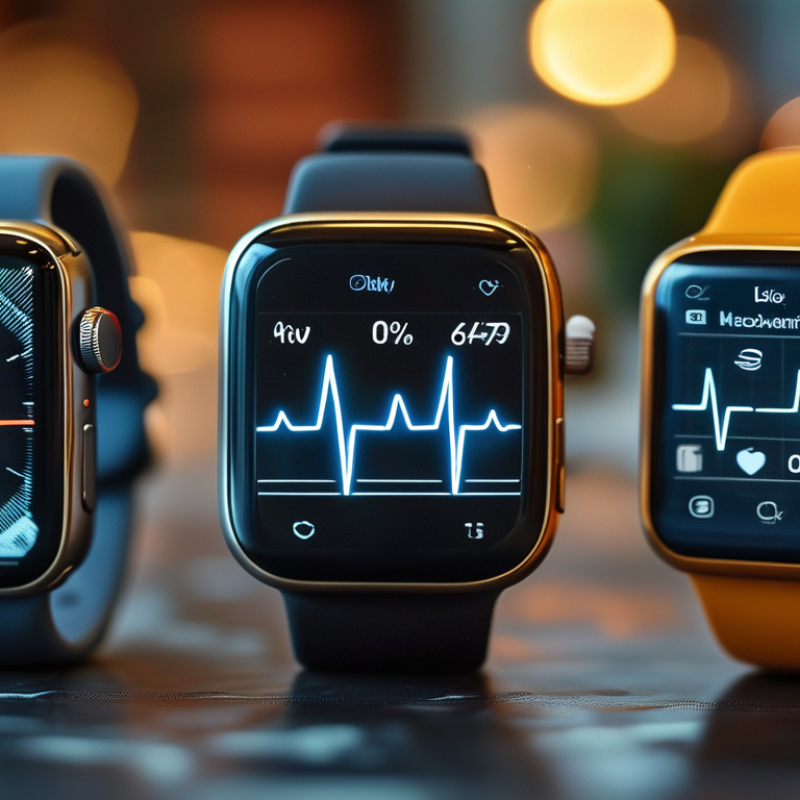
How to Choose a Cardio Monitoring Smartwatch?

Define Your Cardio Monitoring Needs and Health Goals

How to Choose a Cardio Monitoring Smartwatch?

Define Your Cardio Monitoring Needs and Health Goals

Start with your daily health question. Do you want to track resting heart rate, exercise zones, or irregular rhythms? Your goal should guide the device’s features. A runner may need clear zone alerts during a steep hill workout. Someone improving general fitness may value resting trends and simple weekly reports.

Be specific. “Get healthier” is too vague. Try “walk for 30 minutes, five days weekly, while monitoring my average heart rate.” Look for consistent readings, comfortable sensors, and alerts you can understand. Medical guidance matters when tracking symptoms or known heart conditions. A smartwatch can support decisions, but it cannot replace clinical testing. I once focused too much on one unusual reading. That was a mistake. Trends usually provide better context than isolated numbers.

Tips: Check sensor contact after sweating, cold weather, or loose straps. Compare readings with your usual pattern, not a single result. Review how often the device records data and whether its reports explain limitations. If an alert repeats, feels alarming, or matches chest pain, dizziness, or unusual breathlessness, contact a qualified healthcare professional promptly. Accuracy can vary. Your skin, movement, and device fit all matter.

Compare Heart Rate Sensors and Cardiac Tracking Features

How to Choose a Cardio Monitoring Smartwatch?

Heart rate sensors differ in purpose. Optical PPG sensors use green or infrared light to estimate pulse from blood-volume changes. They work well during steady walking, but motion, loose straps, sweat, and darker skin tones can affect readings. Electrical ECG sensors record heart rhythm through skin contact. They can identify irregular patterns more directly, but usually require a deliberate reading and still cannot diagnose every cardiac condition.

A 2024 systematic review in npj Digital Medicine reported that wearable ECG systems showed about 94% sensitivity and 96% specificity for atrial fibrillation detection. These figures are encouraging, not universal. Real-life accuracy may fall during exercise or poor contact. The 2023 ACC/AHA/ACCP/HRS guideline recommends confirming suspected atrial fibrillation with clinician-reviewed electrocardiographic evidence. A smartwatch is an early signal, not a medical verdict. Small detail. It matters.

Tips: Choose a watch with continuous PPG, ECG recording, resting-heart-rate trends, and clear data export. Check whether it records during workouts, not only at rest. Wear it firmly above the wrist bone, without squeezing. Compare unusual readings with manual pulse checks and note symptoms, timing, caffeine, and exercise. The World Health Organization reports that cardiovascular diseases cause about 17.9 million deaths yearly, so alerts deserve attention. Still, false alarms happen. I would value transparent limitations over impressive graphs. Never ignore chest pain, fainting, or severe breathlessness because a watch appears normal.

How to Choose a Cardio Monitoring Smartwatch? - Compare Heart Rate Sensors and Cardiac Tracking Features
Monitoring Dimension Sensor or Feature How It Works Typical Accuracy or Capability Best Use Case Important Limitation
Continuous Heart Rate Optical photoplethysmography sensor Uses green or infrared light to detect changes in blood volume beneath the skin and estimate pulse rate. Generally suitable for resting trends and steady exercise. Daily heart-rate trends, resting heart rate, sleep monitoring, and workout zones. Motion, loose fit, cold skin, tattoos, and darker or highly reflective surfaces can reduce signal quality.
High-Intensity Exercise Multi-element optical sensor with motion compensation Combines multiple light wavelengths and motion data to reduce interference during movement. Usually more useful than a basic optical sensor during running or cycling. Interval training, outdoor running, cycling, and calorie or training-load estimates. Rapid changes in heart rate and activities involving wrist flexion may still cause delays or errors.
Electrical Heart Recording Single-lead electrocardiogram function Measures the heart’s electrical activity through skin contact between the watch and a finger from the opposite hand. Can produce a single-lead recording in about 30 seconds on supported devices. Recording symptoms such as palpitations and reviewing possible rhythm irregularities. It is not a 12-lead clinical ECG and cannot detect every cardiac condition.
Irregular Rhythm Alerts Automated pulse-irregularity analysis Analyzes pulse intervals recorded by the optical sensor and looks for repeated irregular patterns. Useful as a screening notification, not a definitive diagnosis. Identifying patterns that may warrant discussion with a qualified healthcare professional. Alerts may be absent or incorrect; they are not designed to detect every arrhythmia.
Blood Oxygen Red and infrared optical oxygen sensor Estimates oxygen saturation by comparing the absorption of red and infrared light in the blood. Best for spot checks and general trends when the hand is still. Overnight trends, altitude awareness, and wellness monitoring. Movement, poor circulation, nail products, skin contact, and low temperature can affect readings; it is not a diagnostic test.
Heart-Rate Variability Beat-to-beat interval analysis Calculates variation in the time interval between heartbeats, usually during rest or sleep. Most meaningful when measured consistently under similar conditions. Recovery trends, stress estimation, sleep analysis, and training-load management. Alcohol, illness, stress, medication, breathing, and measurement timing can substantially change the result.
Resting Heart Rate Baseline pulse tracking Uses repeated resting measurements, often during sleep or quiet periods, to estimate a personal baseline. Trend information is generally more useful than a single reading. Monitoring fitness trends, recovery, illness-related changes, and general cardiovascular patterns. A temporary change can result from stress, dehydration, fever, caffeine, medication, or poor sleep.
Heart-Rate Zones Personalized training-zone calculation Uses heart rate, age-based estimates, or user-entered thresholds to classify exercise intensity. More useful when based on a measured maximum or threshold rather than age alone. Easy, moderate, vigorous, and high-intensity training guidance. Age-predicted maximum heart rate can differ considerably from an individual’s actual response.
External Sensor Support Chest-strap or other compatible heart-rate sensor connection Receives pulse data from an external sensor that measures electrical or mechanical cardiac signals closer to the chest. Often preferred for rapid changes, intervals, and high-motion activities. Structured training, sports performance, and situations requiring faster heart-rate response. Requires an additional device, correct placement, charging, and compatibility with the watch.
GPS Exercise Tracking Built-in or connected satellite positioning Records distance, pace, route, and speed during outdoor activities; it does not measure cardiac activity directly. Useful for relating heart rate to workload, pace, distance, or elevation. Running, walking, hiking, cycling, and outdoor training analysis. Signal blockage, tunnels, tall buildings, and battery-saving modes can affect location data.
Water-Based Exercise Swimming mode with water-resistant construction Tracks selected swimming metrics while the watch remains within its specified water-resistance rating. Heart-rate readings may be less consistent in water than during land-based exercise. Pool workouts, open-water sessions, duration tracking, and recovery review. Water movement, fit, temperature, and the device’s resistance rating affect performance and safety.
Data Review Trend reports and exportable health records Organizes measurements by day, week, or longer periods and may allow sharing with a healthcare professional. Long-term trends are generally more informative than isolated readings. Comparing symptoms, training changes, sleep, recovery, and resting-heart-rate patterns over time. Data quality depends on consistent wear, correct fit, complete records, and appropriate interpretation.
Safety and Medical Use Health notifications and clinical review workflow Provides screening-oriented information that may help users decide when to seek professional advice. Should supplement, not replace, clinical examination or medical-grade monitoring. Users who want personal trends and a convenient record to discuss with a clinician. Seek urgent medical care for severe chest pain, fainting, serious breathing difficulty, or other emergency symptoms.

Evaluate Measurement Accuracy, Testing, and Data Quality

How to Choose a Cardio Monitoring Smartwatch?

Measurement accuracy should be tested, not assumed. A 2017 validation study in the Journal of Personalized Medicine compared wrist sensors with electrocardiography. At rest, mean heart-rate errors ranged from about 2 to 6 beats per minute. Errors increased during exercise. This matters when movement, sweat, and loose straps disturb the optical signal. Look for independent testing that includes rest, walking, intervals, and recovery. One comfortable gym session proves very little.

Check how the device was tested. ECG should be the reference standard, not another wearable. Strong studies report sample size, age range, skin tones, exercise intensity, and missing readings. The American Heart Association’s 2021 scientific statement also stresses that wearable data require clinical context. A number without symptoms, timing, or baseline trends can mislead. It is only a clue.

Data quality deserves equal attention. Confirm whether readings are continuous, averaged, or manually triggered. Inspect timestamps, gaps, signal-quality flags, and export options. A 2024 systematic review in npj Digital Medicine found that wearable accuracy varies substantially by activity and device design. That finding is easy to overlook. I would compare repeated sessions under the same conditions, then repeat them with a different strap position. Even careful testing has weaknesses. Skin contact changes. Batteries fail. Algorithms update quietly. A smartwatch should support informed discussion, not replace clinical assessment.

Check Comfort, Battery Life, Compatibility, and Smart Functions

How to Choose a Cardio Monitoring Smartwatch?

Comfort affects whether you wear a smartwatch every day. Choose a soft, adjustable strap that stays secure during walking or exercise. The sensor should touch your skin without leaving deep marks. Try wearing it for several hours, including during sleep. Sweat, hair, and loose contact can reduce reading quality. A lighter watch often feels better during long workouts. Small details matter.

Battery life should match your routine, not just the advertised number. Frequent charging may interrupt sleep tracking and recovery trends. Consider a watch that lasts several days with regular heart-rate monitoring enabled. Check how quickly it charges before leaving home. I would still question laboratory estimates. Real battery life changes with screen brightness, notifications, GPS, and temperature.

Compatibility is easy to overlook. Confirm support for your phone, operating system, and preferred health applications. Data export can be valuable if you discuss trends with a qualified healthcare professional. Smart functions may include irregular rhythm alerts, workout zones, sleep reports, and emergency contacts. Enable only useful notifications; constant buzzing becomes distracting. Cardio readings can support awareness, but they do not replace medical tests. Optical sensors may produce errors during movement or poor skin contact. Review the watch’s validation information, privacy controls, and permission settings. Better data is not always better understanding.

Review Safety Alerts, Privacy Controls, and Overall Value

Choosing a cardio-monitoring smartwatch requires more than counting sensors. Safety alerts should be clinically understandable, not merely dramatic. Check whether the device identifies irregular rhythms, unusually high or low heart rates, and possible falls. Confirm how alerts work during sleep, exercise, and poor connectivity. A warning is not a diagnosis. The U.S. Food and Drug Administration advises users to discuss concerning readings with healthcare professionals, especially when symptoms appear. False alarms remain possible. That matters.

Privacy controls deserve equal attention. The Pew Research Center reported that 21% of U.S. adults regularly wore a smartwatch or fitness tracker in 2023, expanding the amount of personal health data collected. Look for clear consent settings, encrypted transfers, two-factor authentication, and separate permissions for location, contacts, and health records. Check whether data can be deleted permanently. Privacy policies can be difficult to read. That is a design failure, too. The NIST Privacy Framework recommends minimizing data collection and limiting access to necessary purposes.

Overall value depends on daily reliability. Compare battery life, replacement costs, subscription fees, and repair support. A cheaper watch may become expensive after repeated charging problems or locked features. In a practical evaluation, record readings beside a clinically validated blood-pressure monitor or pulse check, but do not assume identical accuracy. The American Heart Association emphasizes validated measurement practices for cardiovascular decisions. Sleep tracking is useful. It is not medical proof. I would also test alerts with a trusted contact, because an emergency feature is only valuable when people can receive and understand it.

FAQS

: What should I decide before choosing a cardio monitoring smartwatch?

: Define your daily health question. Choose resting heart rate, exercise zones, irregular rhythms, or fitness trends. A runner may need alerts during a steep hill workout. A casual walker may prefer weekly summaries.

Which health goal is specific enough?

Try, “I will walk for 30 minutes, five days weekly.” Track your average heart rate during each walk. “Get healthier” is too vague. Clear goals make reports more useful.

How does an optical heart rate sensor work?

It uses green or infrared light. The sensor estimates pulse through blood-volume changes. It often works well during steady walking. Movement, sweat, cold skin, and loose straps can reduce accuracy.

What is an ECG feature useful for?

An ECG records electrical heart activity through skin contact. It may identify irregular rhythm patterns more directly. Usually, you must hold the watch deliberately. It cannot diagnose every heart condition.

How should I wear the smartwatch for better readings?

Wear it firmly above the wrist bone. Do not make the strap painfully tight. Check contact after sweating or exercising. Fit matters.

Can smartwatch alerts confirm a heart problem?

No. A smartwatch provides an early signal, not a medical verdict. Suspected irregular rhythms need clinician-reviewed electrocardiographic evidence. Accuracy varies between people and situations. The numbers may look convincing, but they can still be wrong.

What should I do after an unusual heart rate reading?

Compare it with your usual pattern, not one isolated result. Check your strap, movement, caffeine intake, and exercise timing. You can also compare the reading with a manual pulse check. I once overreacted to one unusual reading. That was a mistake.

When should I seek professional medical help?

Contact a qualified healthcare professional if alerts repeat or feel alarming. Seek prompt help for chest pain, fainting, dizziness, or unusual breathlessness. Do not dismiss serious symptoms because the watch shows a normal result. Symptoms matter more than a bright screen.

Conclusion

Choosing the right Cardio Monitoring Smartwatch starts with identifying your personal health goals, such as tracking daily heart rate, monitoring exercise intensity, or observing changes in cardiovascular patterns over time. Consider the type and quality of heart rate sensors, along with features such as continuous tracking, workout monitoring, rhythm notifications, and recovery insights. Measurement accuracy is also important, so review independent testing, validation methods, and how clearly the device presents its data. No smartwatch replaces professional medical advice, but reliable information can support better awareness of your health.

Comfort and practicality matter for long-term use. Look for a secure, lightweight design, sufficient battery life, and compatibility with your phone and preferred health applications. Smart functions should be useful without making the device difficult to operate. Finally, examine safety alerts, emergency notification options, data-sharing settings, and privacy controls. Comparing these factors with the purchase price and ongoing costs will help you select a Cardio Monitoring Smartwatch that fits your lifestyle, supports consistent tracking, and offers meaningful overall value.

Charlotte

Charlotte

Charlotte is a seasoned marketing professional with a strong understanding of product strategy, customer needs, and digital communication. With extensive experience in researching market trends and translating complex product information into clear, practical insights, she plays an important role......