
WATCHMARK® Smartwatch & Health Technology Blog — Insights & Articles
Choosing the best Men's Fitness Smartwatch requires more than comparing bright screens and impressive advertisements. A useful watch should match your training habits, wrist comfort, phone ecosystem, and daily routine. A runner may prioritize accurate GPS and interval alerts. A strength athlete may need recovery trends, heart-rate tracking, and durable construction. Someone training outdoors needs readable maps, strong battery life, and reliable water resistance.
Look closely at how each device measures progress. Optical heart-rate sensors can perform well during steady exercise, but rapid intervals and heavy lifting may reduce accuracy. GPS can drift near tall buildings or beneath dense trees. These limitations matter. They should not be hidden behind polished marketing.
Comfort matters too. A watch that feels bulky at night may never capture useful sleep data. Check strap materials, case weight, charging time, and screen visibility in direct sunlight. Battery claims also deserve practical testing. Frequent GPS use can shorten the advertised runtime.
A dependable Men's Fitness Smartwatch should present clear data without pretending to diagnose medical conditions. Look for transparent measurement methods, regular software updates, privacy controls, and a respected support record. Independent testing and user reviews can reveal problems that product pages overlook. Some reviews exaggerate minor differences. They can still expose uncomfortable straps or unreliable notifications.
There is no perfect choice.
The best option is the one you will wear consistently, understand honestly, and use safely. Your goals may change, too. A watch selected for marathon training might feel unnecessary during a quieter season. That is not failure. It is a reason to reassess the features that genuinely improve your fitness decisions.
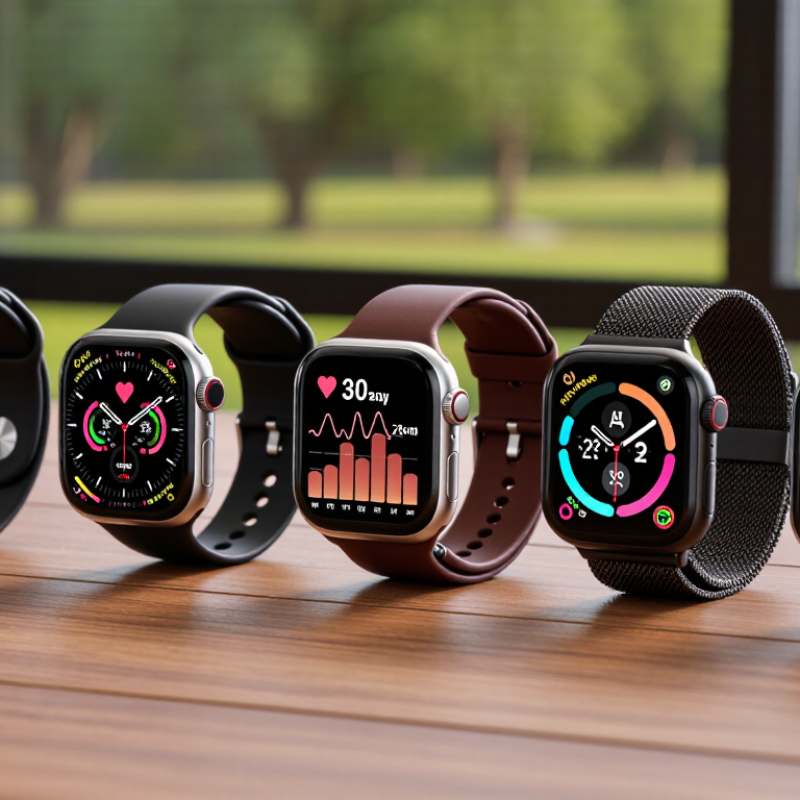
Define Your Fitness Goals and Smartwatch Requirements
Choosing the best men’s fitness smartwatch starts with defining your real fitness goals. A runner may need accurate distance, pace, and route tracking. A strength trainee may value timers, recovery data, and a durable case. Someone beginning to exercise might need simple step counts and gentle reminders. Be specific. “Get fitter” is too vague.
Consider your weekly routine, not an ideal version of it. Measure your wrist before choosing a case size, especially if you sleep with the watch. A secure strap should stay comfortable during sweat, lifting, and rapid movement. Look for water resistance that matches your activities. Pool swimming requires different protection than occasional rain. Battery life also matters. Daily charging can become annoying.
Review the health features carefully. Heart-rate readings can support training decisions, but they are not perfect. Skin contact, movement, tattoos, and loose straps may affect accuracy. I once focused too much on advanced measurements and ignored comfort; the watch stayed in a drawer. That was a poor choice. Choose readable menus, physical controls, and notifications you will actually use. Check whether the companion app explains data clearly and allows export. Sleep scores can suggest patterns, but they cannot diagnose illness. If readings concern you, consult a qualified healthcare professional rather than relying on the device alone.
| Fitness Goal | Recommended Activity Profile | Essential Smartwatch Requirements | Useful Health and Training Data | Battery and Durability Target | Smartwatch Priority |
|---|---|---|---|---|---|
| Daily activity and general wellness | Walking, light exercise, daily movement, and habit tracking | Step counting, automatic activity detection, sleep tracking, heart-rate monitoring, and smartphone notifications | Daily steps, active minutes, resting heart rate, sleep duration, calories, and sedentary alerts | At least 4–7 days of typical battery life; water resistance suitable for rain and shower use | Essential |
| Running and distance training | Road running, treadmill sessions, interval workouts, and race preparation | Built-in satellite positioning, accurate pace and distance tracking, interval workouts, and heart-rate zone alerts | Pace, distance, route, cadence, elevation, heart-rate zones, split times, and recovery time | At least 8–12 hours of GPS recording; sweat-resistant construction and a comfortable lightweight design | Essential |
| Strength training and muscle development | Gym workouts, resistance training, circuit training, and progressive overload | Custom workout support, exercise or set logging, rest timers, manual lap controls, and reliable heart-rate tracking | Workout duration, heart-rate response, sets, repetitions, rest intervals, training load, and recovery trends | At least 3–5 days of battery life; durable buttons or a responsive screen for use during sweaty workouts | Essential |
| Cycling and outdoor endurance | Road cycling, indoor cycling, commuting, and long-distance rides | Multi-band or dependable satellite positioning, cycling activity profiles, navigation support, and external sensor compatibility | Speed, distance, route, elevation, heart rate, cadence, power data when supported, and time in training zones | At least 10–20 hours of GPS use; strong water resistance and a screen that remains readable outdoors | Important |
| Swimming and multisport training | Pool swimming, open-water swimming, running, cycling, and triathlon-style workouts | Swim mode, lap counting, stroke recognition, interval support, multisport transition controls, and open-water positioning | Laps, distance, pace, stroke count, stroke rate, rest intervals, heart rate, and workout duration | Water resistance rated to at least 5 ATM for suitable models; sufficient battery for extended multisport sessions | Important |
| Weight management and body composition habits | Regular exercise combined with nutrition, calorie, and weight monitoring | Activity tracking, calorie estimation, weight trend integration, sleep monitoring, and optional food-log connectivity | Active calories, steps, exercise minutes, sleep consistency, weight trend, resting heart rate, and weekly progress | At least 5–7 days of battery life to reduce gaps in long-term data collection | Important |
| Recovery, stress, and sleep improvement | Moderate training with emphasis on rest, stress management, and consistent sleep | Continuous or periodic heart-rate monitoring, sleep analysis, stress estimates, breathing exercises, and recovery guidance | Sleep duration, sleep stages, resting heart rate, heart-rate variability trends, stress indicators, and breathing rate | At least 5–7 days of battery life; comfortable fit and a low-profile design for overnight wear | Essential |
| Outdoor hiking and adventure | Hiking, trail walking, camping, navigation, and changing weather conditions | Built-in positioning, route navigation, breadcrumb trails, compass, barometric elevation, and emergency safety features | Route, distance, elevation gain, ascent and descent, speed, location, temperature trends, and navigation direction | At least 15–30 hours of GPS use; strong water resistance, impact resistance, and a readable display in bright sunlight | Important |
| Connected lifestyle and convenience | Work, commuting, calls, reminders, music control, and daily organization | Bluetooth connectivity, notification previews, calendar alerts, contactless payment support where available, and music controls | Notifications, appointments, weather, alarms, timers, phone-finding, and media controls | At least 1–3 days of battery life depending on screen brightness, calls, apps, and notification frequency | Optional |
| Performance-focused training | Structured training plans, high weekly volume, and performance optimization | Advanced training load, recovery analysis, customizable data screens, structured workouts, and broad sensor compatibility | Training load, intensity distribution, aerobic and anaerobic impact, recovery status, race prediction, and personal records | At least 10–20 hours of GPS use; reliable data recording and fast charging for frequent training sessions | Essential |
FAQS
Match the watch to your real routine. A runner may need pace, distance, route, and heart-rate zones. A strength trainee may prefer rest timers, set tracking, and recovery data. “Get fitter” is too vague.
Measure your wrist before choosing a case size. The watch should stay secure during sweat, lifting, and quick movement. A loose strap can weaken readings. Comfort matters more than appearance.
Choose protection based on your activities. Occasional rain is different from regular pool swimming. Check the stated swimming suitability carefully. Do not assume every watch handles water equally.
Battery life should match your schedule. Daily charging may become irritating. Long rides and multi-day trips need stronger endurance. A dead watch records nothing.
No. Wrist readings are useful, but they are not perfect. Loose straps, tattoos, cold skin, and movement can affect accuracy. Wear the watch snugly above your wrist bone. Compare hard intervals with a trusted chest sensor when possible.
Runners may need cadence, route distance, pace, and heart-rate zones. Lifters may value exercise logs, set counting, and rest timers. Check whether intervals work without repeated screen taps. Small controls matter.
Treat them as clues, not final judgments. Compare scores with soreness, mood, hydration, and actual performance. One poor score may not match how you feel. That inconsistency deserves reflection.
No. Sleep scores and blood oxygen readings are estimates. They cannot diagnose illness. Persistent or concerning symptoms require qualified medical advice. Do not rely on the watch alone.
Look for clear explanations, useful trends, data export, and privacy controls. Readable menus help during busy workouts. Notifications should support your routine, not crowd it. More data is not always better.
Conclusion
Choosing the right Men's Fitness Smartwatch starts with understanding your personal fitness goals, whether you want to improve workouts, monitor daily activity, track sleep, or support recovery. Consider the health and training features that matter most, such as heart rate monitoring, workout modes, sleep analysis, stress insights, and recovery data. A comfortable fit, durable construction, and a clear display are also important, especially for extended wear and outdoor activities.
Before buying, compare battery life, compatibility with your phone and other devices, and the quality of the supporting app. Privacy settings and data protection should be reviewed carefully, while the price should be evaluated against the watch’s features, reliability, and expected lifespan. The best Men's Fitness Smartwatch is not necessarily the most expensive option, but the one that offers useful tracking, dependable performance, everyday comfort, and lasting value for your individual needs.