
WATCHMARK® Smartwatch & Health Technology Blog — Insights & Articles
Wearable Health Technology
SMART WELLNESS
Heart Rate · ECG · Blood Pressure · Fitness Tips
What Is a Blood Pressure Smartwatch and Is It Accurate?
A Blood Pressure Smartwatch uses optical sensors, pulse signals, algorithms, or a small inflatable mechanism to estimate blood pressure. It may look like an ordinary watch, yet its health claims deserve careful attention. The World Health Organization’s 2023 Global Report on Hypertension estimated that 1.28 billion adults aged 30–79 live with hypertension worldwide. Many do not know it. A watch could make regular monitoring easier, especially during a morning commute or a quiet evening at home.
Convenience is not the same as clinical accuracy. The American Heart Association recommends using validated upper-arm cuff monitors for home blood pressure measurement. Its guidance also emphasizes correct posture, rest, cuff placement, and repeated readings. Small details matter. A crossed leg, a loose cuff, or talking during measurement can distort the result. Wearable readings may also change with skin contact, movement, temperature, and irregular heart rhythms. The problem is not always obvious.
Standards such as ISO 81060-2 and validation resources from STRIDE BP help distinguish tested devices from attractive prototypes. However, not every Blood Pressure Smartwatch has passed an independent clinical validation study. Some models estimate pressure after calibration with a traditional cuff, rather than measuring it directly. That distinction is easy to miss. The U.S. FDA has repeatedly encouraged consumers to question unsupported medical-device claims and avoid relying on unauthorized products for diagnosis or treatment.
This article examines how these watches work, what accuracy evidence actually shows, and where their limits appear in daily use. The answer is promising, but imperfect. A smartwatch may support awareness; it should not casually replace professional assessment.
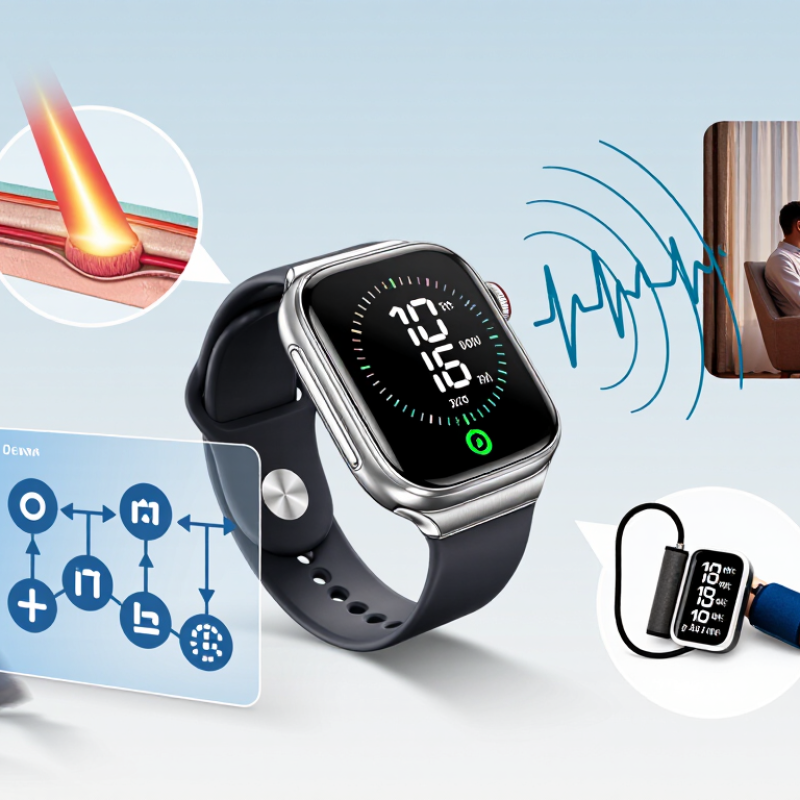
What Is a Blood Pressure Smartwatch?
A blood pressure smartwatch is a wearable device designed to estimate blood pressure from the wrist. It usually combines optical sensors, motion tracking, and pulse timing data. Some models also use electrical signals from the heart. Unlike a traditional arm cuff, it does not squeeze the upper arm during every reading. The watch sits against the skin and collects measurements during daily activities, exercise, or rest.
The process sounds simple, but it is not. Blood pressure changes with posture, stress, caffeine, temperature, and movement. A loose strap can distort the result. So can sweat or an unusual wrist position. Many devices require calibration with a clinically validated cuff before use. Even then, the smartwatch may provide an estimate rather than a direct measurement. Accuracy can vary between users, especially those with irregular heart rhythms or circulation problems. In practice, I would compare unusual readings with a reliable upper-arm monitor and discuss repeated concerns with a qualified healthcare professional. It is a useful trend tool. It is not a diagnosis. The technology continues to improve, yet I would avoid treating a single number as unquestionable truth. Practical testing matters.
How Blood Pressure Smartwatches Measure and Estimate Readings
What Is a Blood Pressure Smartwatch and Is It Accurate?
A blood pressure smartwatch usually estimates pressure rather than measuring it directly. Most models use optical sensors to track blood volume changes in the wrist. This signal is called photoplethysmography, or PPG. Some devices also record electrical heart signals through skin contact. Software then studies pulse timing, heart rate, and personal calibration data.
A common method is pulse transit time. The watch estimates how quickly a heartbeat travels through the arteries. Stiffer arteries may produce faster travel times. The device converts this pattern into estimated systolic and diastolic values.
However, this process depends on algorithms and individual physiology. It is not the same as using an inflatable arm cuff.
Calibration matters greatly. A user may compare the watch with a validated cuff during several quiet readings. The arm should rest at heart level. Movement, cold skin, loose contact, sweat, and irregular rhythms can distort results. Even speaking during measurement may change the reading.
The numbers can be useful for observing patterns. They may show higher readings after poor sleep or intense exercise. They should not replace clinical assessment or prescribed monitoring.
Accuracy differs between devices and users. A reading that looks reassuring may still be wrong. That is the difficult part. Independent validation, repeated measurements, and professional review provide stronger evidence than one wrist reading.
Key Technologies Behind Blood Pressure Monitoring
What Is a Blood Pressure Smartwatch and Is It Accurate?
Key Technologies Behind Blood Pressure Monitoring
A blood pressure smartwatch usually estimates pressure without an inflatable cuff. Its optical sensors use photoplethysmography, or PPG, to track blood-volume changes beneath the skin. Some devices combine PPG with electrocardiography to calculate pulse transit time. This timing may change when arteries stiffen or pressure rises. Algorithms then convert these signals into systolic and diastolic estimates.
The technology is promising, but accuracy depends on calibration, skin contact, movement, and individual biology. A 2023 WHO Global Report on Hypertension estimates that 1.28 billion adults aged 30–79 have hypertension. About 46% are unaware of their condition. That makes convenient screening valuable, yet a smartwatch reading should not diagnose hypertension alone. The ISO 81060-2 standard evaluates automated cuff devices, while cuffless wearables still need broader, independent validation. Evidence remains uneven. That matters.
How Accurate Are Blood Pressure Smartwatches?
A blood pressure smartwatch estimates pressure from sensors on the wrist. It may use optical signals, pulse patterns, and personal calibration data. Unlike a traditional cuff, it usually does not squeeze the arm during every reading. That difference matters.
Blood pressure changes with posture, stress, caffeine, exercise, and even a full bladder.
Accuracy varies widely. Some devices perform well under controlled testing, but real-life readings can be less dependable.
A loose strap, cold skin, movement, or an unusual heart rhythm may distort the result. Wrist position also matters. Keep the watch level with your heart. Stay still and avoid talking.
Small errors matter.
For home monitoring, a validated upper-arm cuff remains the stronger reference for most adults. Compare the smartwatch with that cuff at different times, using the same arm and a five-minute rest period. Record several readings instead of trusting one number.
I have found that convenience encourages frequent checks, but frequent checks do not automatically create reliable data. Users should also check whether independent clinical validation exists, not rely only on advertising claims.
A smartwatch can help identify patterns, yet it should not diagnose hypertension or replace medical advice. If readings repeatedly appear high, discuss them with a qualified healthcare professional. Seek urgent help for very high pressure with symptoms such as chest pain, severe shortness of breath, confusion, or weakness.
Benefits, Limitations, and Safe Usage Considerations
A blood pressure smartwatch estimates blood pressure from wrist signals, rather than measuring pressure directly with an inflatable cuff. Unlike a traditional monitor, it can collect readings during ordinary routines. Optical sensors and motion data may identify changing patterns over time. This convenience can encourage regular tracking. Still, “smart” does not mean “clinical.” In practice, readings may look reassuring while missing a real problem.
The main benefit is convenience. A reading after a quiet walk or during a workday may reveal useful trends. Those trends can help a healthcare professional understand changes between appointments. However, wrist movement, loose straps, cold skin, and irregular heart rhythms can reduce reliability. Many devices also require calibration with a validated upper-arm monitor. Accuracy may drift. That weakness matters.
For safer use, sit with your back supported and keep your arm level with your heart. Rest quietly for five minutes before measuring. Take two readings, about one minute apart, and record the results. Avoid measuring immediately after exercise, caffeine, smoking, or emotional stress. Compare smartwatch readings with a clinically validated cuff when possible. Current medical guidance does not treat smartwatch estimates alone as a diagnosis. If readings remain unusually high, or symptoms such as chest pain, severe weakness, or breathing difficulty appear, seek prompt medical care. A smartwatch should support medical conversations, not replace them. I would question any result that conflicts sharply with how you feel.
What Is a Blood Pressure Smartwatch and Is It Accurate?
Adult blood pressure category thresholds used for interpreting readings
These thresholds reflect commonly used clinical categories for office blood pressure in adults. A smartwatch may estimate blood pressure using optical sensors and algorithms, but performance can vary with movement, fit, skin contact, circulation, and calibration. Smartwatch readings should not replace a validated upper-arm cuff or professional medical assessment. Seek urgent care for readings above 180 systolic and/or 120 diastolic, especially when symptoms are present.
FAQS
It uses optical sensors to track blood-volume changes in the wrist. Software studies pulse timing, heart rate, and calibration data. It estimates systolic and diastolic values.
Usually, it does not. It estimates pressure without inflating an arm cuff. That difference matters.
Accuracy varies between devices and users. Movement, cold skin, loose contact, sweat, and irregular rhythms can distort readings. A reassuring number may still be wrong.
Calibration compares smartwatch results with readings from a validated upper-arm cuff. Take several quiet readings with your arm supported at heart level. Accuracy may drift over time.
Sit with your back supported and rest quietly for five minutes. Keep your arm level with your heart. Avoid exercise, caffeine, smoking, and emotional stress beforehand.
Take two readings about one minute apart. Record both results and note the situation. A single wrist reading tells very little.
They may reveal changes after poor sleep, exercise, or a stressful workday. These patterns can support conversations with a healthcare professional. Trends are useful, but imperfect.
Seek prompt care for unusually high readings that persist. Chest pain, severe weakness, or breathing difficulty require urgent attention. Do not rely on the smartwatch alone.
Conclusion
A Blood Pressure Smartwatch is a wearable device designed to estimate or monitor blood pressure-related readings while you go about your daily activities. Unlike a traditional inflatable cuff, it typically uses optical sensors, pulse signals, motion data, and personalized algorithms to assess changes in blood flow and produce systolic and diastolic estimates. Some devices may also guide users to take readings with a connected cuff or use calibration data to improve their results.
Although this technology can make regular tracking more convenient, its accuracy may vary depending on calibration, wrist position, movement, skin contact, and individual health conditions. A Blood Pressure Smartwatch can help identify trends and encourage healthier habits, but it should not automatically replace a clinically validated upper-arm monitor or professional medical advice. Users should follow device instructions, measure under consistent conditions, and seek medical attention for unusually high, low, or concerning readings. These watches are best viewed as supportive wellness tools rather than definitive diagnostic instruments.

Blog Tags: